Non-dairy
Auto-generated content. This description was generated automatically and is pending editorial review. Inaccuracies are possible. Found a mistake? Contact us.
What it is
Non-dairy refers to food products that do not contain milk or milk-derived ingredients. These products are often made to mimic the taste and texture of dairy products like milk, cheese, or butter, using plant-based sources such as soy, almonds, oats, or coconut.
Why it's used
Non-dairy ingredients are used to replace traditional dairy components in a wide range of foods. They function as alternatives to milk, cream, or cheese, allowing for the creation of dairy-free versions of baked goods, desserts, dips, and beverages. Manufacturers use them to cater to consumers with lactose intolerance, milk allergies, or those following vegan diets.
Health notes
Non-dairy products are generally considered safe for consumption. The FDA permits various plant-based ingredients used in non-dairy alternatives. Regulatory bodies like the WHO and EFSA have evaluated many of the individual ingredients used in non-dairy products, such as soy or almond derivatives, for safety. Evidence on the health impacts of non-dairy alternatives compared to dairy products is mixed and depends heavily on the specific ingredients and nutritional profiles of the products.
Allergen info
Non-dairy products are not a major allergen themselves, but they may be derived from or contain major allergens like soy or tree nuts (e.g., almonds). Consumers should always check the ingredient list for specific allergens.
Products containing Non-dairy
Compare products →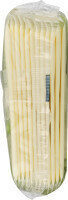 Galaxy Nutritional Foods, Inc.
Lactose Free Cheesy Bliss, Mozzarella Style Singles
235kcal
17.6Protein
14.7Fat
5.9Carbs
Galaxy Nutritional Foods, Inc.
Cheddar Style Shreds, Cheddar
250kcal
21.4Protein
16.1Fat
7.1Carbs
Galaxy Nutritional Foods, Inc.
Lactose Free Cheesy Bliss, Mozzarella Style Singles
235kcal
17.6Protein
14.7Fat
5.9Carbs
Galaxy Nutritional Foods, Inc.
Cheddar Style Shreds, Cheddar
250kcal
21.4Protein
16.1Fat
7.1Carbs
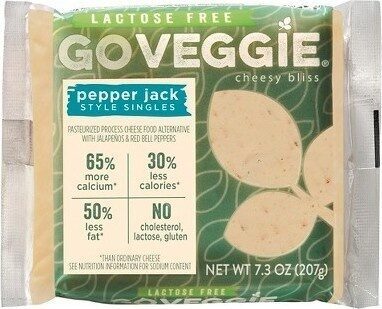 Galaxy Nutritional Foods, Inc.
Cheesy Bliss Pepper Jack Style Singles, Pepper Jack
235kcal
17.6Protein
14.7Fat
5.9Carbs
Galaxy Nutritional Foods, Inc.
Cheesy Bliss Pepper Jack Style Singles, Pepper Jack
235kcal
17.6Protein
14.7Fat
5.9Carbs
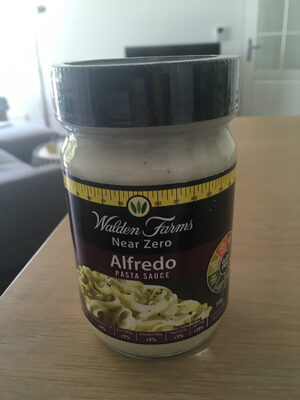 PANOS Brands LLC
Alfredo Pasta Sauce
0kcal
0Protein
0Fat
0Carbs
PANOS Brands LLC
Walden Farms, Blue Cheese Dip
0kcal
0Protein
0Fat
0Carbs
PANOS Brands LLC
Alfredo Pasta Sauce
0kcal
0Protein
0Fat
0Carbs
PANOS Brands LLC
Walden Farms, Blue Cheese Dip
0kcal
0Protein
0Fat
0Carbs
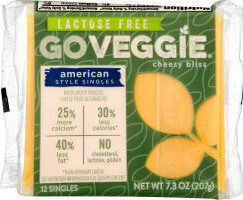 Galaxy Nutritional Foods, Inc.
Lactose Free Cheesy Bliss, American Style Singles
235kcal
17.6Protein
14.7Fat
5.9Carbs
Gillato LLC
Bit Baking Company, Chocolate Chip Cookie
High in saturated fat — 25% DV per serving
474kcal
4.8Protein
21.0Fat
69.3Carbs
Eatpastry
Eatpastry, Cookie Dough, Chocolate Chip, Chocolate Chip
357kcal
7.1Protein
17.9Fat
57.1Carbs
Gillato LLC
Bit Baking Company, Cocoa Chocolate Chunk Cookie
High in saturated fat — 25% DV per serving
455kcal
4.8Protein
19.4Fat
69.3Carbs
Galaxy Nutritional Foods, Inc.
Lactose Free Cheesy Bliss, American Style Singles
235kcal
17.6Protein
14.7Fat
5.9Carbs
Gillato LLC
Bit Baking Company, Chocolate Chip Cookie
High in saturated fat — 25% DV per serving
474kcal
4.8Protein
21.0Fat
69.3Carbs
Eatpastry
Eatpastry, Cookie Dough, Chocolate Chip, Chocolate Chip
357kcal
7.1Protein
17.9Fat
57.1Carbs
Gillato LLC
Bit Baking Company, Cocoa Chocolate Chunk Cookie
High in saturated fat — 25% DV per serving
455kcal
4.8Protein
19.4Fat
69.3Carbs