Non Gmo Lactic Culture
What is Non Gmo Lactic Culture?
A non-GMO lactic culture is a starter culture made from bacteria that produce lactic acid. These bacteria are specifically selected and grown without the use of genetically modified organisms (GMOs). They are commonly used in food production to help develop flavor and texture.
Is Non Gmo Lactic Culture a major allergen?
Not a major allergen.
What is Non Gmo Lactic Culture used for?
Manufacturers add non-GMO lactic cultures to foods to produce a tangy flavor and to help preserve the product.
Is Non Gmo Lactic Culture safe?
Non-GMO lactic cultures are generally recognized as safe (GRAS) by the FDA for use in food.
Why it's used
Manufacturers add non-GMO lactic cultures to foods to produce a tangy flavor and to help preserve the product. They are frequently used in dairy products like cheese and yogurt, as well as in fermented vegetables such as pickles and sauerkraut.
Health notes
Non-GMO lactic cultures are generally recognized as safe (GRAS) by the FDA for use in food. They are considered beneficial by some for gut health, though scientific evidence is still developing. International bodies like JECFA have evaluated lactic acid and its salts, and EFSA has also assessed similar cultures. Typical consumption levels are not associated with adverse health effects.
Allergen info
Not a major allergen. However, if the culture is used in a dairy product, the final product may contain milk allergens.
Foods that contain Non Gmo Lactic Culture
Compare products →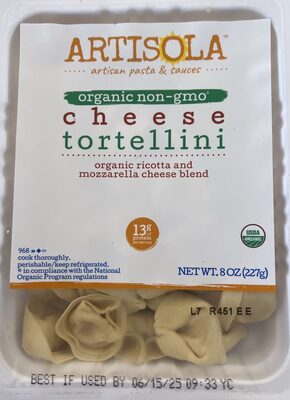
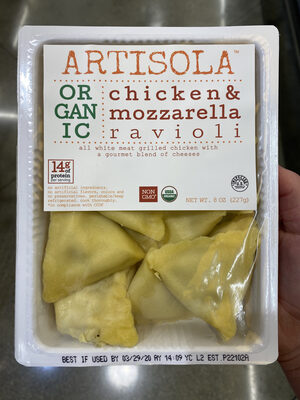
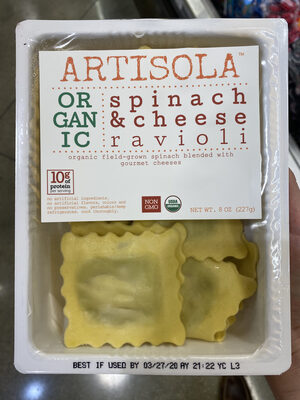
Auto-generated content. This description was generated automatically and is pending editorial review. Inaccuracies are possible. Found a mistake? Contact us.