Non-hydrogenated Canola Oil
What is Non-hydrogenated Canola Oil?
Non-hydrogenated canola oil is a vegetable oil made from the seeds of the canola plant. It is processed to extract the oil and has not undergone a chemical process called hydrogenation, which would make it more solid.
Is Non-hydrogenated Canola Oil vegan?
Non-hydrogenated Canola Oil is not animal-derived. Products that contain it can still include other animal-derived ingredients, so check the full ingredient list.
Is Non-hydrogenated Canola Oil a major allergen?
Not a major allergen.
What is Non-hydrogenated Canola Oil used for?
Manufacturers use non-hydrogenated canola oil in many packaged foods for cooking, frying, and baking.
Is Non-hydrogenated Canola Oil safe?
Canola oil is generally recognized as safe (GRAS) by the FDA as a common food ingredient.
Why it's used
Manufacturers use non-hydrogenated canola oil in many packaged foods for cooking, frying, and baking. It provides a source of fat and has a neutral flavor, making it suitable for a wide range of products like chips, cakes, and snack mixes.
Health notes
Canola oil is generally recognized as safe (GRAS) by the FDA as a common food ingredient. It is a source of unsaturated fats, and the 2025-2030 Dietary Guidelines for Americans recommend replacing saturated fats with unsaturated fats. Modern canola oil varieties are bred to have very low levels of erucic acid, which was a concern in older rapeseed oils.
Allergen info
Not a major allergen.
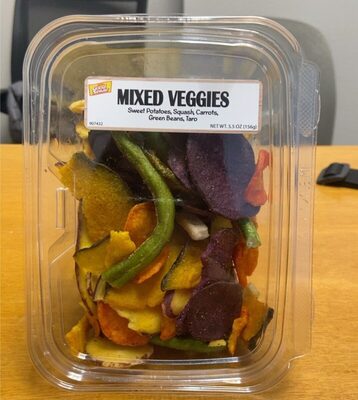
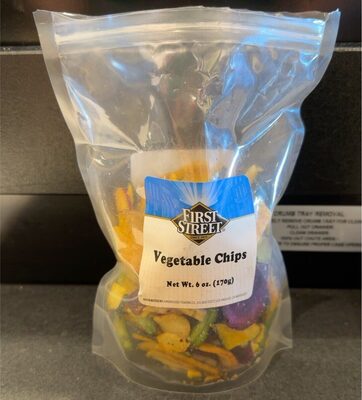
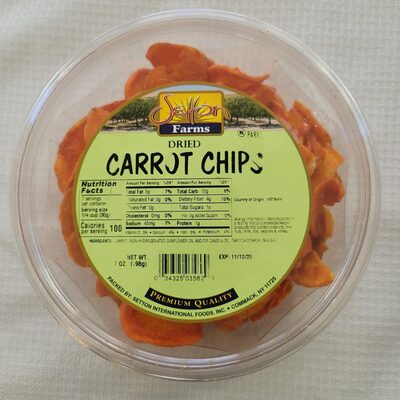
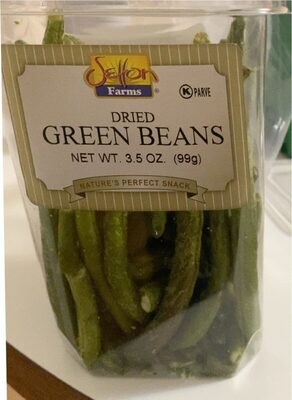
Foods that contain Non-hydrogenated Canola Oil
Compare products →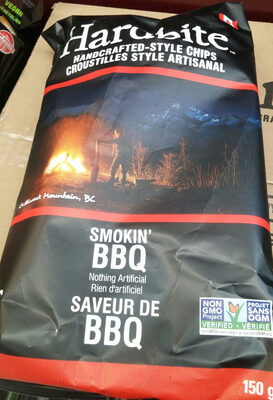

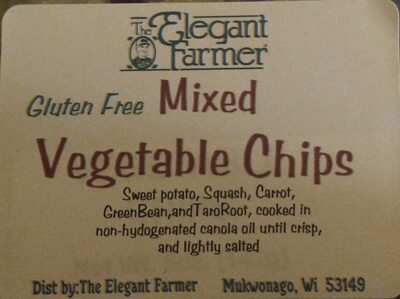
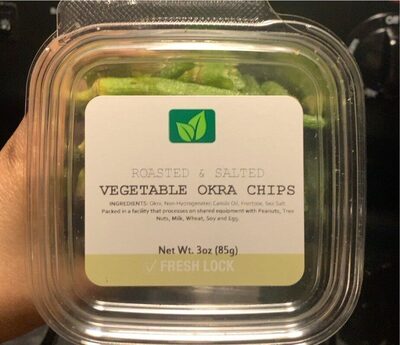


Learn more
Auto-generated content. This description was generated automatically and is pending editorial review. Inaccuracies are possible. Found a mistake? Contact us.