Nonfat Buttermilk
Auto-generated content. This description was generated automatically and is pending editorial review. Inaccuracies are possible. Found a mistake? Contact us.
What it is
Nonfat buttermilk is the liquid remaining after butter is churned from cream. It is a low-fat dairy product that contains proteins, lactose, and minerals. It has a tangy flavor and is often cultured with bacteria to enhance its taste and shelf life.
Why it's used
Manufacturers use nonfat buttermilk as a flavoring agent and a source of moisture in baked goods like pancakes and biscuits. It can also add a creamy texture and tangy flavor to salad dressings, dips, and marinades. Its acidity can react with leavening agents like baking soda to help baked goods rise.
Health notes
Nonfat buttermilk is generally recognized as safe (GRAS) by the FDA for use in food. It is a source of calcium and protein. The Joint FAO/WHO Expert Committee on Food Additives (JECFA) has evaluated buttermilk and its components. Evidence does not suggest adverse health effects from consuming nonfat buttermilk at typical dietary levels.
Allergen info
Nonfat buttermilk is derived from milk, which is one of the nine FDA major allergens. It does not contain gluten.
Products containing Nonfat Buttermilk
Compare products →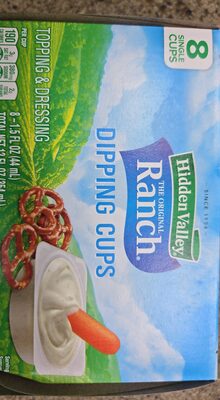 The Hvr Company
Light Ranch Dressing & Dip
477kcal
2.3Protein
47.7Fat
4.5Carbs
The Hvr Company
The Original Ranch Dressing, Ranch
467kcal
3.3Protein
46.7Fat
6.7Carbs
The Hvr Company
The Original Ranch Dressing, Fiesta Salsa
367kcal
0Protein
36.7Fat
6.7Carbs
The Hvr Company
Salsa
433kcal
0Protein
46.7Fat
6.7Carbs
The Hvr Company
Light Ranch Dressing & Dip
477kcal
2.3Protein
47.7Fat
4.5Carbs
The Hvr Company
The Original Ranch Dressing, Ranch
467kcal
3.3Protein
46.7Fat
6.7Carbs
The Hvr Company
The Original Ranch Dressing, Fiesta Salsa
367kcal
0Protein
36.7Fat
6.7Carbs
The Hvr Company
Salsa
433kcal
0Protein
46.7Fat
6.7Carbs