Norwegian Kelp
What is Norwegian Kelp?
Norwegian kelp is a type of brown seaweed that grows in cold, coastal waters. It is harvested from the ocean and then typically dried and processed into powder or flakes. Kelp is a natural source of various minerals and vitamins.
Is Norwegian Kelp vegan?
Norwegian Kelp is not animal-derived. Products that contain it can still include other animal-derived ingredients, so check the full ingredient list.
Is Norwegian Kelp gluten-free?
It does not contain gluten.
Is Norwegian Kelp a major allergen?
Norwegian kelp is not one of the nine major allergens.
What is Norwegian Kelp used for?
Manufacturers use Norwegian kelp as a source of natural iodine and other minerals, and sometimes as a thickener or stabilizer in food products.
Is Norwegian Kelp safe?
Norwegian kelp is generally recognized as safe (GRAS) by the FDA for use in food.
Why it's used
Manufacturers use Norwegian kelp as a source of natural iodine and other minerals, and sometimes as a thickener or stabilizer in food products. It can also add a savory, umami flavor. You may find it in baked goods, snacks, and some processed foods.
Health notes
Norwegian kelp is generally recognized as safe (GRAS) by the FDA for use in food. It is a rich source of iodine, which is essential for thyroid function. Excessive iodine intake can also cause thyroid problems, so moderation is key. JECFA has evaluated kelp and its constituents.
Allergen info
Norwegian kelp is not one of the nine major allergens. It does not contain gluten.
Foods that contain Norwegian Kelp
Compare products →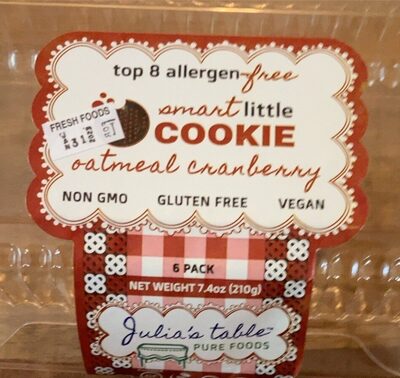
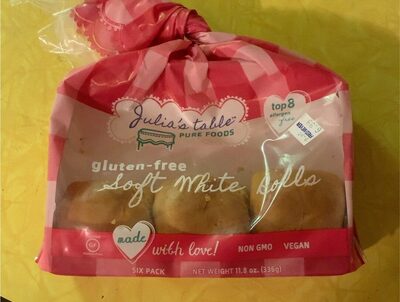

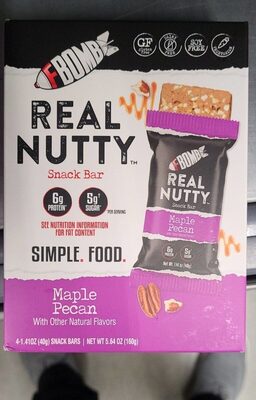
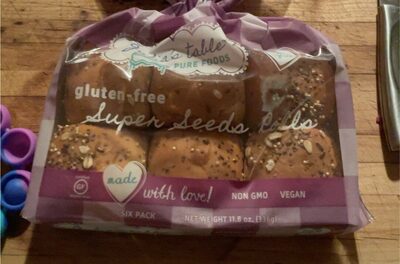
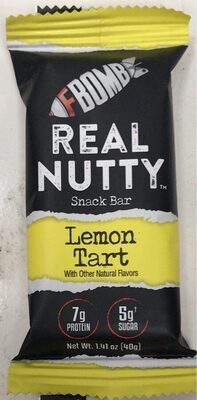
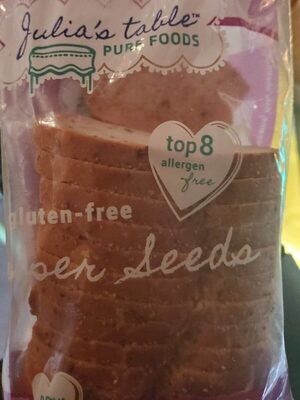
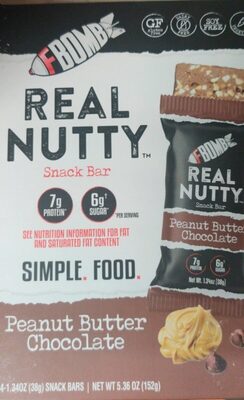
Learn more
Auto-generated content. This description was generated automatically and is pending editorial review. Inaccuracies are possible. Found a mistake? Contact us.