Organic Lactose
What is Organic Lactose?
Organic lactose is a natural sugar found in milk. It is derived from milk, typically from cows, and is a primary component of dairy products. The organic designation means it comes from cows raised under organic farming standards, without synthetic pesticides or fertilizers.
Is Organic Lactose vegan?
No. Organic Lactose is animal-derived, so it is not vegan.
Is Organic Lactose gluten-free?
It does not contain gluten.
Is Organic Lactose a major allergen?
Lactose is derived from milk, which is one of the 9 FDA major allergens.
What is Organic Lactose used for?
Lactose is often used as a sweetener, bulking agent, or carrier for flavors and colors in food products.
Is Organic Lactose safe?
Lactose is generally recognized as safe (GRAS) by the FDA for use in food.
Why it's used
Lactose is often used as a sweetener, bulking agent, or carrier for flavors and colors in food products. It can also contribute to browning in baked goods. It is commonly found in dairy products, baked goods, infant formulas, and processed snacks.
Health notes
Lactose is generally recognized as safe (GRAS) by the FDA for use in food. For individuals with lactose intolerance, consuming lactose can lead to digestive discomfort. JECFA (Joint FAO/WHO Expert Committee on Food Additives) has evaluated lactose and established an acceptable daily intake. EFSA (European Food Safety Authority) has also evaluated lactose.
Allergen info
Lactose is derived from milk, which is one of the 9 FDA major allergens. It does not contain gluten.
Foods that contain Organic Lactose
Compare products →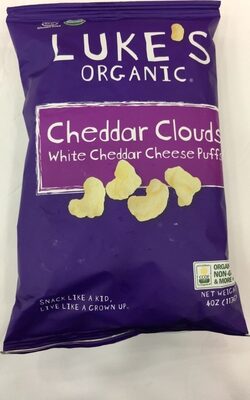
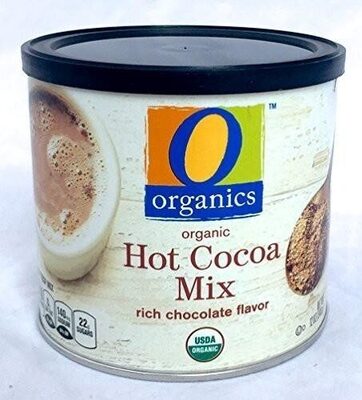
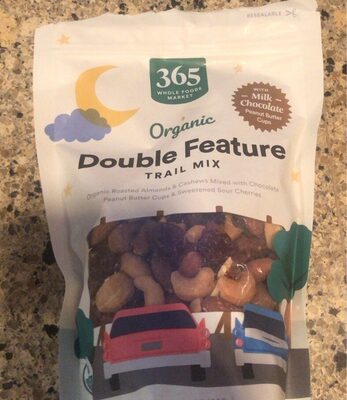
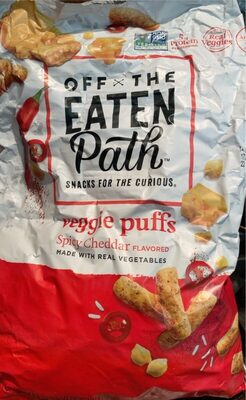
Learn more
Auto-generated content. This description was generated automatically and is pending editorial review. Inaccuracies are possible. Found a mistake? Contact us.