Organic Rolled Rye
What is Organic Rolled Rye?
Organic rolled rye is made from whole rye grains that have been steamed and flattened into flakes. Rye is a cereal grain, related to wheat, that is grown in cooler climates. It is a good source of fiber and nutrients.
Is Organic Rolled Rye vegan?
Organic Rolled Rye is not animal-derived. Products that contain it can still include other animal-derived ingredients, so check the full ingredient list.
Is Organic Rolled Rye gluten-free?
However, it does contain gluten and is not suitable for individuals with celiac disease or non-celiac gluten sensitivity.
Is Organic Rolled Rye a major allergen?
Rye is not one of the 9 FDA major allergens.
What is Organic Rolled Rye used for?
Manufacturers use rolled rye primarily as a whole grain ingredient in baked goods and cereals.
Is Organic Rolled Rye safe?
Organic rolled rye is a whole grain and is generally recognized as safe (GRAS) by the FDA when used as a food ingredient.
Why it's used
Manufacturers use rolled rye primarily as a whole grain ingredient in baked goods and cereals. It adds texture, flavor, and nutritional value to products like breads, muffins, and breakfast cereals.
Health notes
Organic rolled rye is a whole grain and is generally recognized as safe (GRAS) by the FDA when used as a food ingredient. It is a source of dietary fiber, which is associated with digestive health. International bodies like JECFA have evaluated rye and its components. Evidence suggests whole grains contribute to a healthy diet.
Allergen info
Rye is not one of the 9 FDA major allergens. However, it does contain gluten and is not suitable for individuals with celiac disease or non-celiac gluten sensitivity.
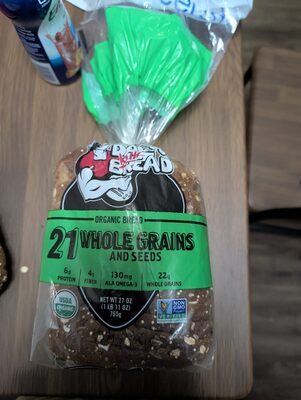
Foods that contain Organic Rolled Rye
Compare products →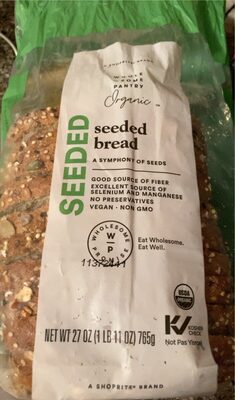
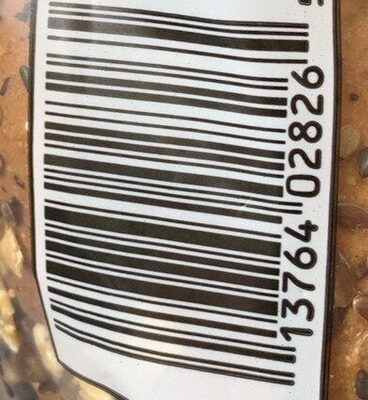
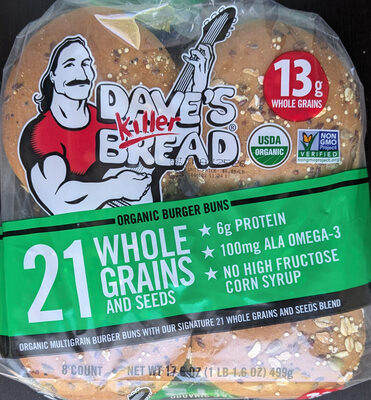
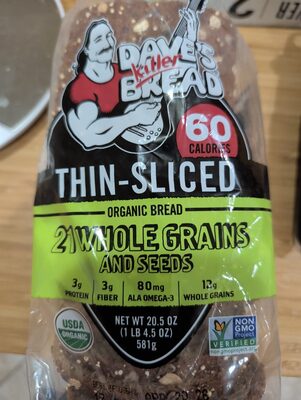
Learn more
Auto-generated content. This description was generated automatically and is pending editorial review. Inaccuracies are possible. Found a mistake? Contact us.