Organic Sprouted Amaranth
Auto-generated content. This description was generated automatically and is pending editorial review. Inaccuracies are possible. Found a mistake? Contact us.
What it is
Amaranth is a pseudocereal, meaning it's a seed used like a grain. It is grown for its edible seeds, which are tiny and oval-shaped. Sprouting amaranth involves soaking the seeds until they begin to germinate, which can improve digestibility and nutrient availability.
Why it's used
Sprouted amaranth is used as a whole-food ingredient, adding a slightly nutty flavor and a boost of nutrients. It is often found in breakfast cereals, crackers, breads, and baked goods, providing texture and substance.
Health notes
Amaranth is recognized as safe by the FDA. It is a source of protein, fiber, and various micronutrients. Regulatory bodies like JECFA and EFSA have evaluated amaranth and its components. Evidence suggests that amaranth can be part of a healthy diet, contributing to overall nutrient intake.
Allergen info
Amaranth is not one of the nine major allergens identified by the FDA. It is naturally gluten-free.
Products containing Organic Sprouted Amaranth
Compare products →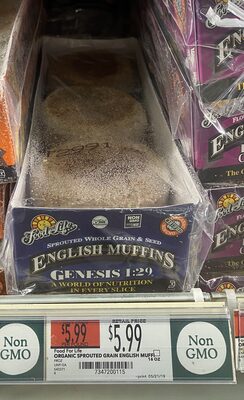 Food For Life Baking Co Inc
Sprouted Whole Grain & Seed English Muffins
16kcal
10.5Protein
5.3Fat
39.5Carbs
TH Foods, Inc.
Sprouted Native Grains Crackers
433kcal
6.7Protein
11.7Fat
76.7Carbs
Food For Life Baking Co Inc
Sprouted Whole Grain & Seed English Muffins
16kcal
10.5Protein
5.3Fat
39.5Carbs
TH Foods, Inc.
Sprouted Native Grains Crackers
433kcal
6.7Protein
11.7Fat
76.7Carbs
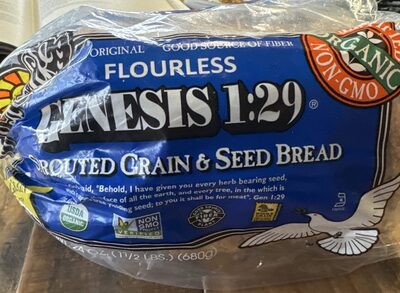 Food For Life Baking Co Inc
Flourless Sprouted Grain & Seed Bread
265kcal
14.7Protein
5.9Fat
44.1Carbs
Food For Life Baking Co Inc
Flourless Sprouted Grain & Seed Bread
265kcal
14.7Protein
5.9Fat
44.1Carbs