Organic Wheat Berries
What is Organic Wheat Berries?
Organic wheat berries are the whole, unprocessed kernels of wheat. They include the bran, germ, and endosperm. They are a whole grain, meaning all parts of the original kernel are intact.
Is Organic Wheat Berries vegan?
Organic Wheat Berries is not animal-derived. Products that contain it can still include other animal-derived ingredients, so check the full ingredient list.
Is Organic Wheat Berries gluten-free?
They contain gluten.
Is Organic Wheat Berries a major allergen?
Wheat berries are derived from wheat, which is one of the 9 FDA major allergens.
What is Organic Wheat Berries used for?
Wheat berries are used as a whole grain ingredient in breads, cereals, and salads.
Is Organic Wheat Berries safe?
Wheat berries are a source of dietary fiber, B vitamins, and minerals.
Why it's used
Wheat berries are used as a whole grain ingredient in breads, cereals, and salads. They add a chewy texture and nutty flavor to foods. Manufacturers use them to increase the whole grain content of products.
Health notes
Wheat berries are a source of dietary fiber, B vitamins, and minerals. The FDA considers whole grains to be part of a healthy diet. JECFA has evaluated wheat and found no safety concerns at typical consumption levels. There are no widespread controversies regarding the consumption of whole wheat berries.
Allergen info
Wheat berries are derived from wheat, which is one of the 9 FDA major allergens. They contain gluten.
Foods that contain Organic Wheat Berries
Compare products →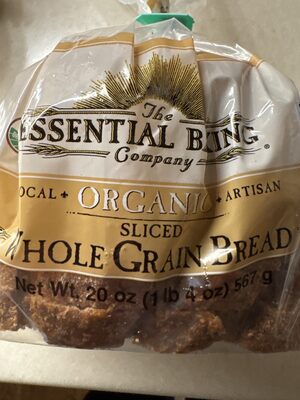

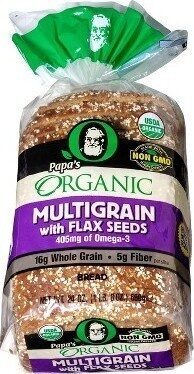
Learn more
Auto-generated content. This description was generated automatically and is pending editorial review. Inaccuracies are possible. Found a mistake? Contact us.