Palmolein
What is Palmolein?
Palmolein is a liquid fraction of palm oil, derived from the fruit of oil palm trees. It is produced by separating palm oil into liquid (palmolein) and solid (stearin) components through a process called fractionation. This yields an oil that is semi-solid at room temperature.
Is Palmolein vegan?
Palmolein is not animal-derived. Products that contain it can still include other animal-derived ingredients, so check the full ingredient list.
Is Palmolein gluten-free?
It does not contain gluten.
Is Palmolein a major allergen?
Palmolein is derived from palm fruit and is not a major allergen.
What is Palmolein used for?
Manufacturers use palmolein as a cooking oil and as an ingredient in processed foods.
Is Palmolein safe?
Palmolein is generally recognized as safe (GRAS) by the FDA for use in food.
Why it's used
Manufacturers use palmolein as a cooking oil and as an ingredient in processed foods. Its semi-solid nature at room temperature makes it useful for providing texture and stability in products like baked goods, confectionery, and fried snacks. It is often chosen for its neutral flavor and ability to withstand high cooking temperatures.
Health notes
Palmolein is generally recognized as safe (GRAS) by the FDA for use in food. Like other fats, it is a source of calories and contributes to the overall fat content of foods. While some studies have raised questions about the health effects of saturated fats, palmolein is primarily composed of monounsaturated and saturated fatty acids. International bodies like JECFA have evaluated fats and oils, but specific numeric limits for palmolein are not typically set.
Allergen info
Palmolein is derived from palm fruit and is not a major allergen. It does not contain gluten.
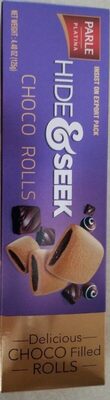
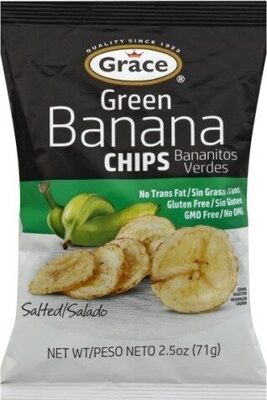
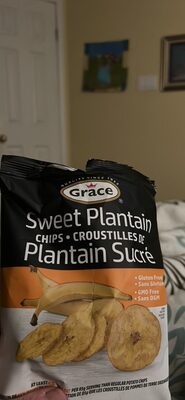
Foods that contain Palmolein
Compare products →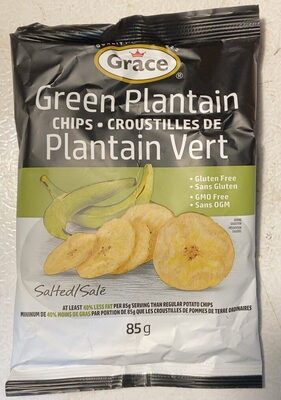
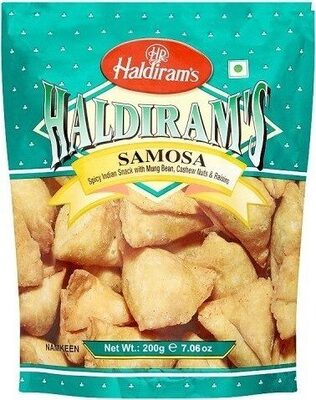

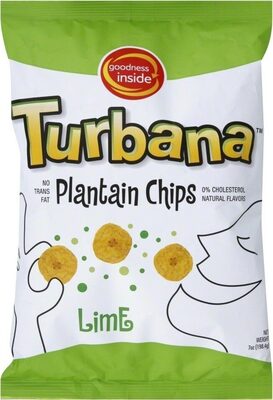
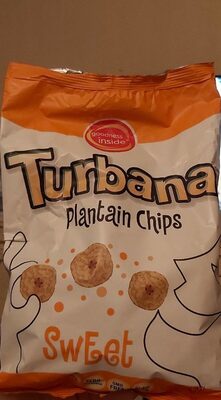
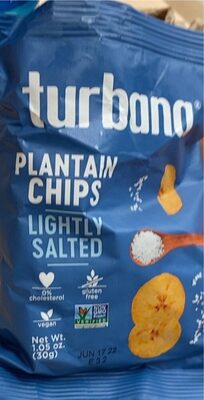

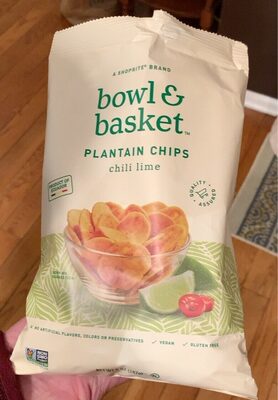
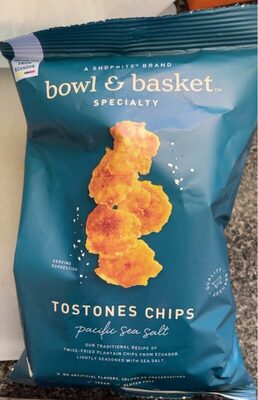
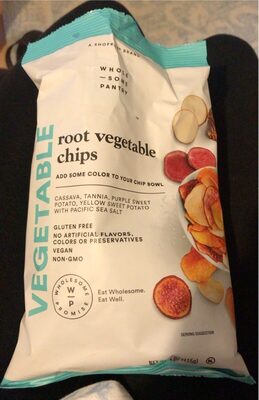
Learn more
Auto-generated content. This description was generated automatically and is pending editorial review. Inaccuracies are possible. Found a mistake? Contact us.