Parmesan And Cheddar Cheeses
Auto-generated content. This description was generated automatically and is pending editorial review. Inaccuracies are possible. Found a mistake? Contact us.
What it is
Parmesan is a hard, granular cheese originating from Italy, while Cheddar is a relatively hard, off-white, sometimes sharp-tasting natural cheese from England. Both are traditionally made from cow's milk through a process of curdling, pressing, and aging.
Why it's used
Manufacturers add Parmesan and Cheddar cheeses to foods primarily for their distinct savory flavors, creamy textures, and desirable melting properties. They are frequently used in pasta dishes, frozen meals, sauces, and various baked goods to enhance taste and mouthfeel.
Health notes
Parmesan and Cheddar cheeses are regulated as food ingredients by the FDA. They are a good source of protein and calcium, but also contribute saturated fat and sodium to the diet. For individuals with lactose intolerance, consuming these cheeses may cause digestive discomfort, although hard, aged cheeses generally contain lower levels of lactose. These cheeses are not evaluated by JECFA or EFSA as food additives, but as common food components.
Allergen info
This ingredient contains milk, which is one of the nine major food allergens identified by the FDA.
Products containing Parmesan And Cheddar Cheeses
Compare products →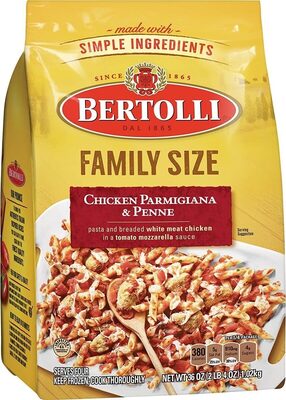 Conagra Brands, Inc
Bertolli Frozen Skillet Meals Family Size Chicken Parmigiana & Penne, 36 oz.
High in sodium — 29% DV per serving
—kcal
5.2Protein
3.8Fat
16.4Carbs
Conagra Brands, Inc
Bertolli Frozen Skillet Meals Family Size Chicken Parmigiana & Penne, 36 oz.
High in sodium — 29% DV per serving
—kcal
5.2Protein
3.8Fat
16.4Carbs
 Conagra Brands, Inc
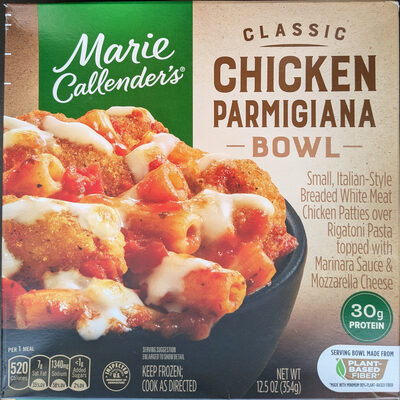
Marie Callender's Classic Chicken Parmigiana Bowl, Frozen Meal, 12.5 oz.
High in sodium — 57% DV per serving
High in saturated fat — 25% DV per serving
High in cholesterol — 20% DV per serving
138kcal
7.6Protein
5.1Fat
15.0Carbs
Conagra Brands, Inc
Marie Callender's Classic Chicken Parmigiana Bowl, Frozen Meal, 12.5 oz.
High in sodium — 57% DV per serving
High in saturated fat — 25% DV per serving
High in cholesterol — 20% DV per serving
138kcal
7.6Protein
5.1Fat
15.0Carbs