Parmesan & Asiago Cheeses
What is Parmesan & Asiago Cheeses?
Parmesan and Asiago are hard, aged cheeses made from cow's milk. Parmesan, originating from Italy, is known for its granular texture and sharp, salty flavor. Asiago, also Italian, can range from a milder, smoother fresh cheese to a harder, more pungent aged variety.
Is Parmesan & Asiago Cheeses vegan?
No. Parmesan & Asiago Cheeses is animal-derived, so it is not vegan.
Is Parmesan & Asiago Cheeses a major allergen?
Milk is a major allergen, and these cheeses are derived from milk.
What is Parmesan & Asiago Cheeses used for?
These cheeses are primarily used to add a rich, savory, and umami flavor to dishes.
Is Parmesan & Asiago Cheeses safe?
Cheese, as a food ingredient, is generally recognized as safe when consumed as part of a balanced diet.
Why it's used
These cheeses are primarily used to add a rich, savory, and umami flavor to dishes. They also contribute to the texture of foods, especially when melted or grated. They are commonly found in frozen dinners and entrees, frozen appetizers, and ready-made combination meals.
Health notes
Cheese, as a food ingredient, is generally recognized as safe when consumed as part of a balanced diet. It is a source of protein and calcium, but can also contain saturated fat and sodium. The FDA does not classify cheese as an additive requiring specific approval, but regulates it as a food product. JECFA and EFSA typically evaluate food additives, not whole food ingredients like cheese.
Allergen info
Milk is a major allergen, and these cheeses are derived from milk.
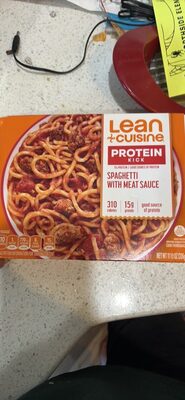
Foods that contain Parmesan & Asiago Cheeses
Compare products →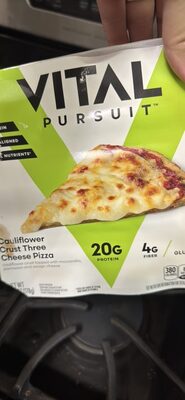
Learn more
Auto-generated content. This description was generated automatically and is pending editorial review. Inaccuracies are possible. Found a mistake? Contact us.