Parmesean Cheese
Auto-generated content. This description was generated automatically and is pending editorial review. Inaccuracies are possible. Found a mistake? Contact us.
What it is
Parmesan cheese is a hard, dry cheese traditionally made from cow's milk. It is aged for at least 12 months, developing a granular texture and a sharp, nutty flavor. Authentic Parmigiano-Reggiano must be produced in specific regions of Italy according to strict guidelines.
Why it's used
Manufacturers use Parmesan cheese primarily as a flavoring ingredient. Its savory, umami taste enhances a wide variety of dishes. It is commonly found in pasta dishes, soups, salads, baked goods, and as a topping for pizzas and other savory items.
Health notes
Parmesan cheese is generally recognized as safe (GRAS) by the FDA when used as a food ingredient. It is a source of protein, calcium, and other nutrients. Regulatory bodies like EFSA have evaluated cheese and dairy products. While generally considered healthy in moderation as part of a balanced diet, high sodium content can be a concern for some individuals.
Allergen info
Parmesan cheese is derived from milk and is therefore a major allergen. It does not contain gluten.
Products containing Parmesean Cheese
Compare products →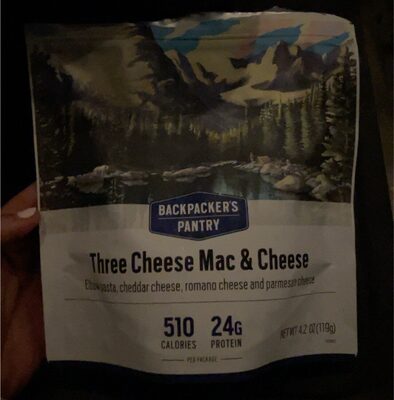 American Outdoor Products, Inc.
Three Cheese Mac & Cheese Cheddar Cheese, Romano Cheese And Parmesan Cheese Elbow Pasta, Three Cheese Mac & Cheese
High in sodium — 29% DV per serving
High in saturated fat — 25% DV per serving
433kcal
20Protein
15Fat
53.3Carbs
M N M Frozen Foods Inc.
Vodka Sauce, Vodka
71kcal
1.8Protein
5.3Fat
3.5Carbs
American Outdoor Products, Inc.
Three Cheese Mac & Cheese Cheddar Cheese, Romano Cheese And Parmesan Cheese Elbow Pasta, Three Cheese Mac & Cheese
High in sodium — 29% DV per serving
High in saturated fat — 25% DV per serving
433kcal
20Protein
15Fat
53.3Carbs
M N M Frozen Foods Inc.
Vodka Sauce, Vodka
71kcal
1.8Protein
5.3Fat
3.5Carbs
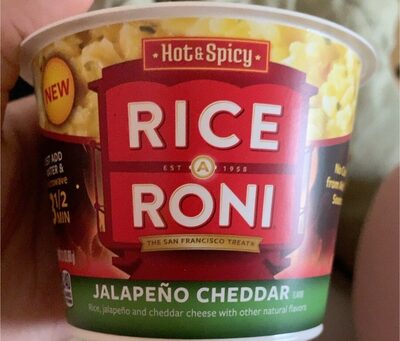 The Quaker Oats Co/golden Grain
Hot & Spicy Jalapeo Cheddar Flavor Rice, Jalapeo Cheddar
High in sodium — 23% DV per serving
400kcal
8.3Protein
6.7Fat
75Carbs
The Quaker Oats Co/golden Grain
Hot & Spicy Jalapeo Cheddar Flavor Rice, Jalapeo Cheddar
High in sodium — 23% DV per serving
400kcal
8.3Protein
6.7Fat
75Carbs