Partially Hydrolyzed Guar Gum
What is Partially Hydrolyzed Guar Gum?
Partially hydrolyzed guar gum (PHGG) is a soluble fiber derived from guar beans. It is made by breaking down guar gum with enzymes or acids, which makes it easier to dissolve in liquids and less likely to thicken them significantly.
Is Partially Hydrolyzed Guar Gum vegan?
Partially Hydrolyzed Guar Gum is not animal-derived. Products that contain it can still include other animal-derived ingredients, so check the full ingredient list.
Is Partially Hydrolyzed Guar Gum a major allergen?
Not a major allergen.
What is Partially Hydrolyzed Guar Gum used for?
Manufacturers add PHGG as a source of dietary fiber and to improve texture in foods.
Is Partially Hydrolyzed Guar Gum safe?
PHGG is generally recognized as safe (GRAS) by the FDA for use in food.
Why it's used
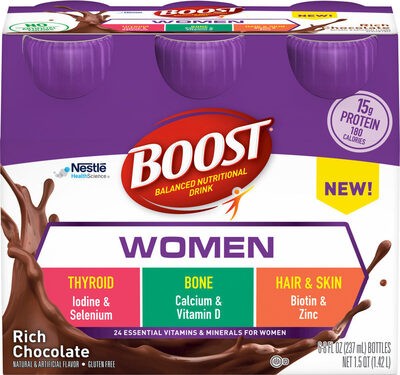
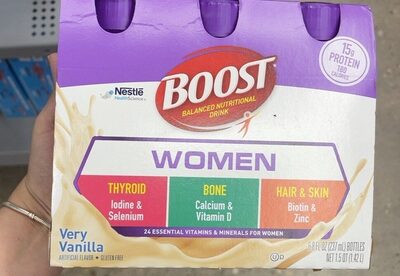
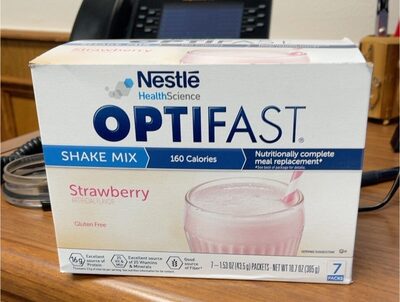
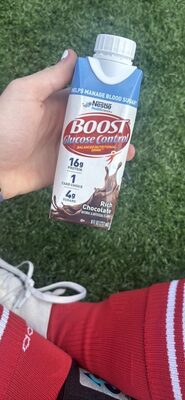
Manufacturers add PHGG as a source of dietary fiber and to improve texture in foods. It is often found in nutritional drinks, supplements, and baked goods where it can add fiber without drastically altering the mouthfeel.
Health notes
PHGG is generally recognized as safe (GRAS) by the FDA for use in food. As a soluble fiber, it can aid digestion and promote gut health. Regulatory bodies like JECFA and EFSA have evaluated similar fibers, and while specific evaluations for PHGG may vary, soluble fibers are generally considered safe. Some individuals may experience gas or bloating when first consuming PHGG, especially at higher amounts.
Allergen info
Not a major allergen. Guar gum is derived from guar beans, which are legumes, but not one of the FDA's major food allergens.
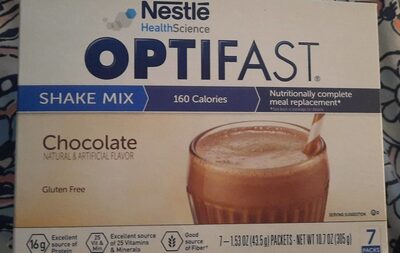
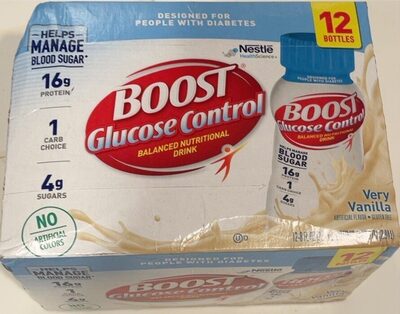
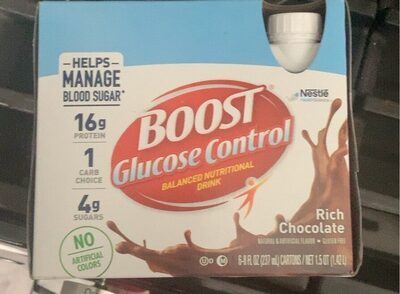
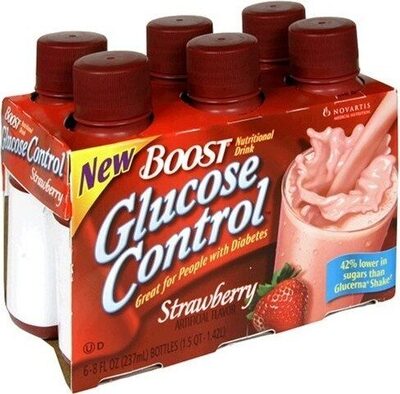
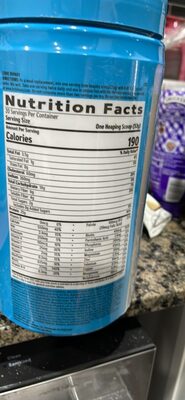
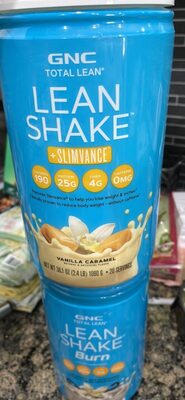
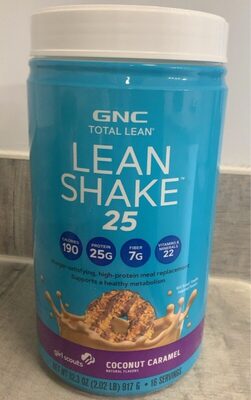
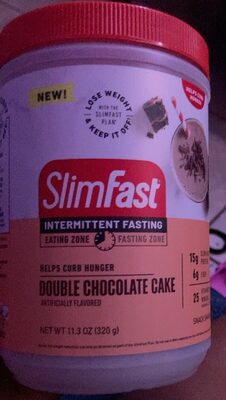
Foods that contain Partially Hydrolyzed Guar Gum
Compare products →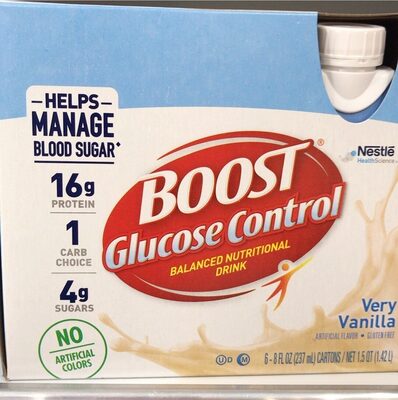
Auto-generated content. This description was generated automatically and is pending editorial review. Inaccuracies are possible. Found a mistake? Contact us.