Pasteurized Buffalo Milk
Auto-generated content. This description was generated automatically and is pending editorial review. Inaccuracies are possible. Found a mistake? Contact us.
What it is
Pasteurized buffalo milk comes from domestic water buffalo. It is heated to a specific temperature for a set amount of time to kill harmful bacteria, making it safe for consumption. This milk is richer and creamier than cow's milk, with a higher fat and protein content.
Why it's used
Buffalo milk is most commonly used to make cheese, particularly mozzarella. Its high fat and protein content contribute to a rich flavor and creamy texture in dairy products. It can also be used in yogurts, ice creams, and other dairy-based desserts.
Health notes
Pasteurized buffalo milk is generally recognized as safe (GRAS) by the FDA for use in food. It is a source of protein, calcium, and other nutrients. International bodies like JECFA have evaluated milk and dairy products, but specific evaluations for buffalo milk's health effects at typical intake levels are not widely published. Evidence suggests it is nutritionally similar to cow's milk, offering comparable health benefits.
Allergen info
Milk is one of the 9 FDA major allergens. Pasteurized buffalo milk is derived from milk and therefore contains this allergen. It does not contain gluten.
Products containing Pasteurized Buffalo Milk
Compare products →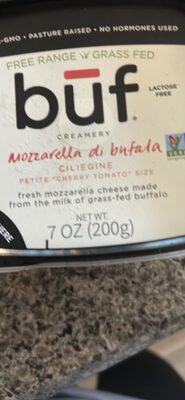 BUF
Mozzarella Cheese
High in saturated fat — 25% DV per serving
267kcal
13.3Protein
23.3Fat
0Carbs
BUF
Mozzarella Cheese
High in saturated fat — 25% DV per serving
267kcal
13.3Protein
23.3Fat
0Carbs
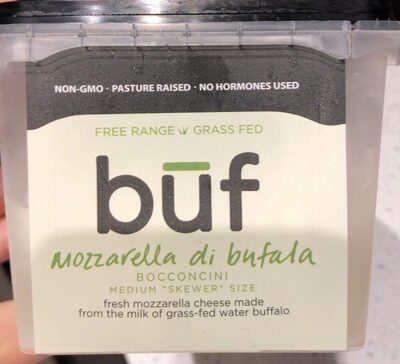 BUF CREAMERY
Baocconcini Fresh Mozzarella Cheese
High in saturated fat — 45% DV per serving
260kcal
16Protein
22Fat
0Carbs
BUF CREAMERY
Baocconcini Fresh Mozzarella Cheese
High in saturated fat — 45% DV per serving
260kcal
16Protein
22Fat
0Carbs
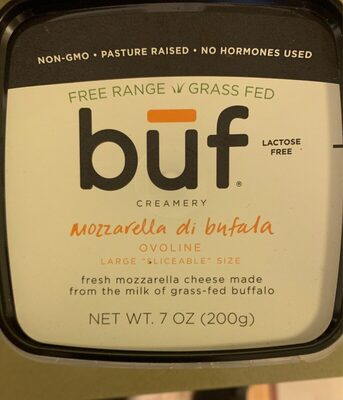 BUF CREAMERY
Mozzarella Cheese
High in saturated fat — 30% DV per serving
85kcal
4Protein
7Fat
0Carbs
ANNABELLA
Buffalo Mozzarella Cheese
High in saturated fat — 55% DV per serving
300kcal
16Protein
26Fat
0Carbs
ANCO Fine Cheese a Division of Schratter Foods, Inc.
Mozzarella Di Bufala Campana Dop Cheese
High in saturated fat — 30% DV per serving
317kcal
16.7Protein
26.7Fat
0Carbs
Teamson Design Corp
Buffalo's Milk Mozzarella
High in saturated fat — 20% DV per serving
264kcal
12Protein
24Fat
0Carbs
Casearia Casabianca srl
Soft Mozzarella Cheese From Buffalo's Milk
321kcal
17.9Protein
21.4Fat
0Carbs
Arthur Schuman Inc.
Buffalo Milk Mozzarella Cheese
High in saturated fat — 30% DV per serving
273kcal
15.2Protein
24.2Fat
0Carbs
Lioni Latticini Inc.
Fresh Buffalo Mozzarella Cheese
250kcal
14.3Protein
17.9Fat
0Carbs
Murray's Products LLC
Buffalo Mozzarella
250kcal
14.3Protein
17.9Fat
0Carbs
Calabro Cheese Corp.
Ovoline Di Bufala, Ovoline
High in saturated fat — 20% DV per serving
267kcal
20Protein
20Fat
0Carbs
BUF CREAMERY
Mozzarella Cheese
High in saturated fat — 30% DV per serving
85kcal
4Protein
7Fat
0Carbs
ANNABELLA
Buffalo Mozzarella Cheese
High in saturated fat — 55% DV per serving
300kcal
16Protein
26Fat
0Carbs
ANCO Fine Cheese a Division of Schratter Foods, Inc.
Mozzarella Di Bufala Campana Dop Cheese
High in saturated fat — 30% DV per serving
317kcal
16.7Protein
26.7Fat
0Carbs
Teamson Design Corp
Buffalo's Milk Mozzarella
High in saturated fat — 20% DV per serving
264kcal
12Protein
24Fat
0Carbs
Casearia Casabianca srl
Soft Mozzarella Cheese From Buffalo's Milk
321kcal
17.9Protein
21.4Fat
0Carbs
Arthur Schuman Inc.
Buffalo Milk Mozzarella Cheese
High in saturated fat — 30% DV per serving
273kcal
15.2Protein
24.2Fat
0Carbs
Lioni Latticini Inc.
Fresh Buffalo Mozzarella Cheese
250kcal
14.3Protein
17.9Fat
0Carbs
Murray's Products LLC
Buffalo Mozzarella
250kcal
14.3Protein
17.9Fat
0Carbs
Calabro Cheese Corp.
Ovoline Di Bufala, Ovoline
High in saturated fat — 20% DV per serving
267kcal
20Protein
20Fat
0Carbs