Pasteurized Cultured Lowfat Milk
What is Pasteurized Cultured Lowfat Milk?
Pasteurized cultured lowfat milk is a dairy product made by adding live bacterial cultures to lowfat milk. These cultures ferment the milk's natural sugars (lactose) into lactic acid, which thickens the milk and gives it a tangy flavor. Pasteurization kills harmful bacteria before culturing.
Is Pasteurized Cultured Lowfat Milk vegan?
No. Pasteurized Cultured Lowfat Milk is animal-derived, so it is not vegan.
Is Pasteurized Cultured Lowfat Milk a major allergen?
Milk is one of the 9 major allergens identified by the FDA.
What is Pasteurized Cultured Lowfat Milk used for?
This ingredient is used to provide a creamy texture, tangy flavor, and probiotic benefits.
Is Pasteurized Cultured Lowfat Milk safe?
Pasteurized cultured lowfat milk is generally recognized as safe (GRAS) by the FDA.
Why it's used
This ingredient is used to provide a creamy texture, tangy flavor, and probiotic benefits. It is commonly found in yogurt, kefir, and other cultured dairy beverages. Manufacturers use it as a base for smoothies and other cultured milk products.
Health notes
Pasteurized cultured lowfat milk is generally recognized as safe (GRAS) by the FDA. It is a source of calcium and protein. International bodies like JECFA have evaluated similar cultured dairy products. Evidence suggests that probiotics in cultured dairy may support gut health, though research is ongoing.
Allergen info
Milk is one of the 9 major allergens identified by the FDA. This product is derived from milk.
Foods that contain Pasteurized Cultured Lowfat Milk
Compare products →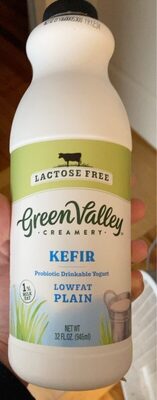
Learn more
Auto-generated content. This description was generated automatically and is pending editorial review. Inaccuracies are possible. Found a mistake? Contact us.