Pasteurized Eggs
What is Pasteurized Eggs?
Pasteurized eggs are whole eggs, egg whites, or egg yolks that have been gently heated to a specific temperature for a set amount of time. This process kills harmful bacteria like Salmonella without cooking the egg.
Is Pasteurized Eggs vegan?
No. Pasteurized Eggs is animal-derived, so it is not vegan.
Is Pasteurized Eggs a major allergen?
Eggs are one of the FDA's major food allergens.
What is Pasteurized Eggs used for?
Manufacturers use pasteurized eggs to improve the texture, richness, and binding properties of foods.
Is Pasteurized Eggs safe?
Pasteurized eggs are considered safe by the FDA.
Why it's used
Manufacturers use pasteurized eggs to improve the texture, richness, and binding properties of foods. They are commonly found in products where raw eggs are typically used but safety is a concern, such as ice cream, cakes, custards, and sauces.
Health notes
Pasteurized eggs are considered safe by the FDA. The pasteurization process significantly reduces the risk of foodborne illness from Salmonella. The Joint FAO/WHO Expert Committee on Food Additives (JECFA) has evaluated eggs and egg products. No significant health concerns are associated with the consumption of pasteurized eggs at typical intake levels.
Allergen info
Eggs are one of the FDA's major food allergens. Consumers with an egg allergy should avoid products containing pasteurized eggs.
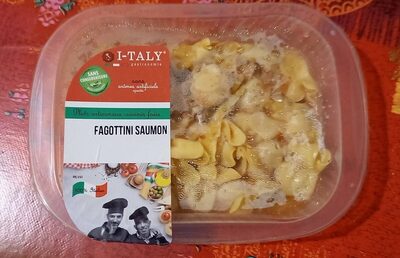
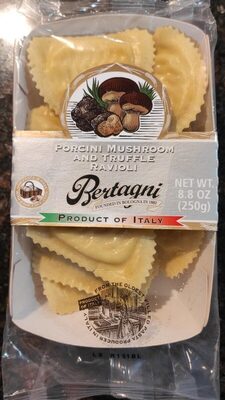
Foods that contain Pasteurized Eggs
Compare products →















Learn more
Auto-generated content. This description was generated automatically and is pending editorial review. Inaccuracies are possible. Found a mistake? Contact us.