Pasteurized Whey
What is Pasteurized Whey?
Pasteurized whey is the liquid remaining after milk has been curdled and strained, typically during cheesemaking. It is made from cow's milk and is a byproduct of cheese production. Pasteurization is a heat treatment process that kills harmful bacteria.
Is Pasteurized Whey vegan?
No. Pasteurized Whey is animal-derived, so it is not vegan.
Is Pasteurized Whey gluten-free?
It does not contain gluten.
Is Pasteurized Whey a major allergen?
Whey is derived from milk, which is one of the 9 FDA major allergens.
What is Pasteurized Whey used for?
Whey is used in a variety of foods for its nutritional and functional properties.
Is Pasteurized Whey safe?
In the U.S., whey is generally recognized as safe (GRAS) by the FDA.
Why it's used
Whey is used in a variety of foods for its nutritional and functional properties. It can act as a binder, improve texture, and add a mild, slightly sweet flavor. It is commonly found in baked goods, processed meats, and dairy products like cheese and yogurt.
Health notes
In the U.S., whey is generally recognized as safe (GRAS) by the FDA. It is a source of protein and other nutrients. International bodies like JECFA have evaluated whey and its components. While generally considered safe, some individuals may experience digestive discomfort due to lactose content if they are lactose intolerant.
Allergen info
Whey is derived from milk, which is one of the 9 FDA major allergens. It does not contain gluten.
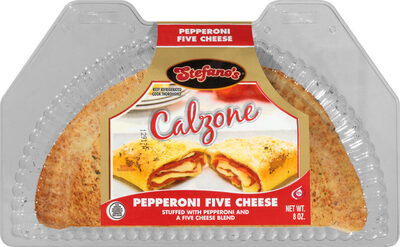
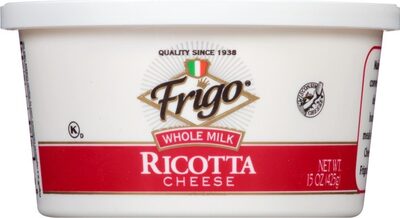
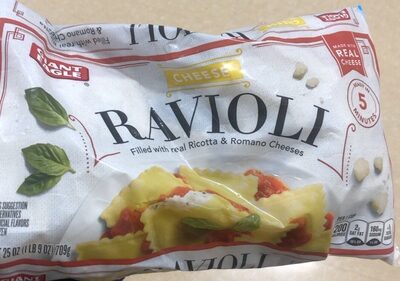
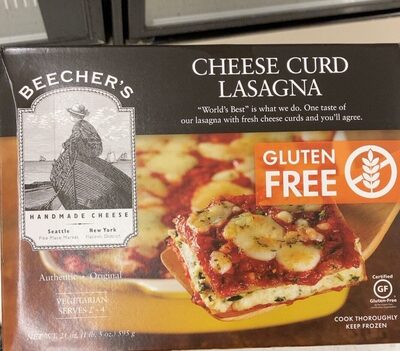
Foods that contain Pasteurized Whey
Compare products →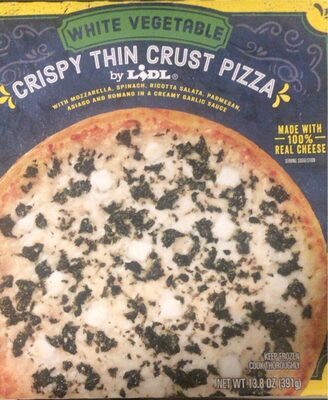
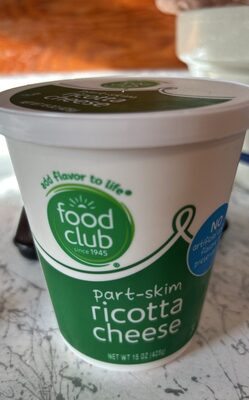
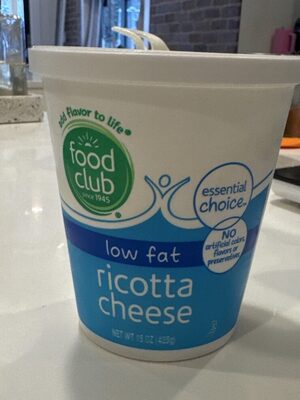
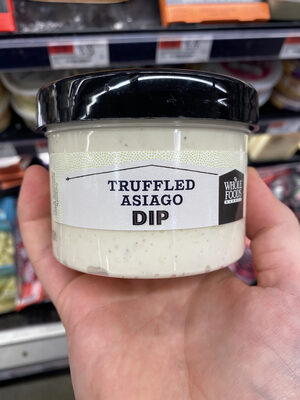
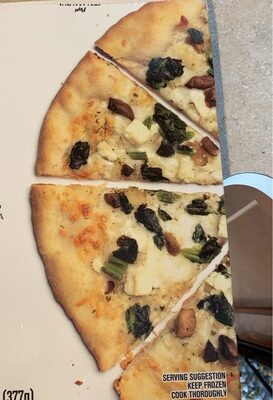
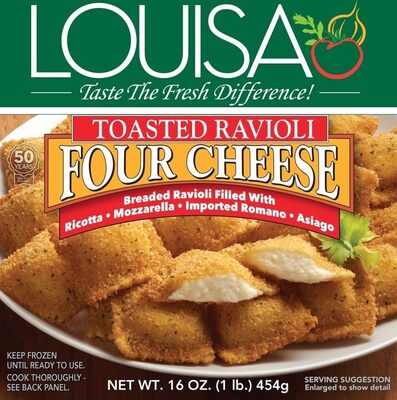
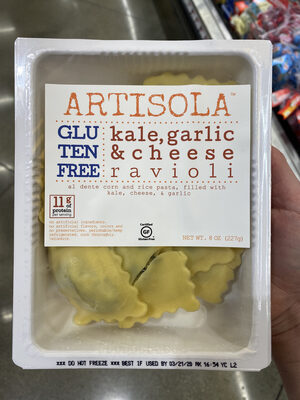
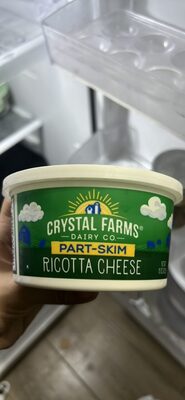
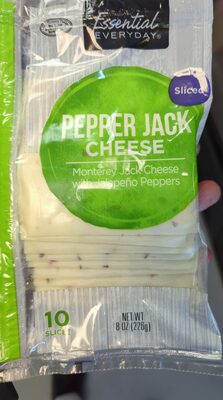
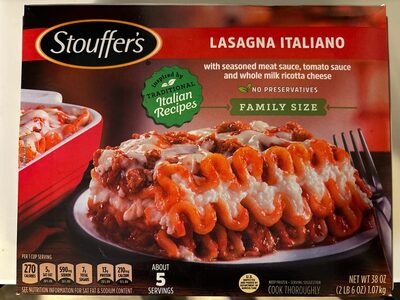

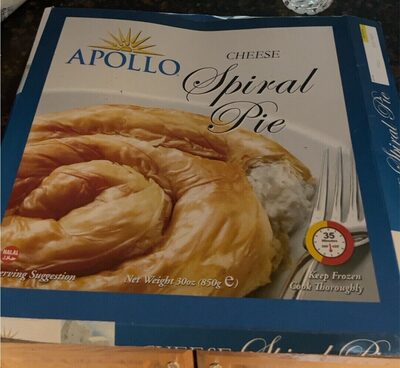
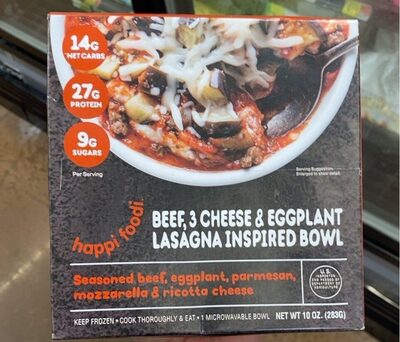
Learn more
Auto-generated content. This description was generated automatically and is pending editorial review. Inaccuracies are possible. Found a mistake? Contact us.