Pearled Barley
What is Pearled Barley?
Pearled barley is a type of barley grain that has had its outer hull and bran removed through a milling process. This makes it cook faster and gives it a smoother texture compared to whole barley. It is a versatile grain used in various culinary applications.
Is Pearled Barley vegan?
Pearled Barley is not animal-derived. Products that contain it can still include other animal-derived ingredients, so check the full ingredient list.
Is Pearled Barley gluten-free?
Barley contains gluten and is not suitable for individuals with celiac disease or gluten sensitivity.
What is Pearled Barley used for?
Pearled barley is used as a hearty ingredient in soups, stews, and pilafs, adding a chewy texture and nutty flavor.
Is Pearled Barley safe?
Pearled barley is a whole grain and a good source of fiber, which can contribute to digestive health.
Why it's used
Pearled barley is used as a hearty ingredient in soups, stews, and pilafs, adding a chewy texture and nutty flavor. It can also be used in grain bowls, salads, or as a side dish. Its ability to absorb liquid makes it a good base for savory dishes.
Health notes
Pearled barley is a whole grain and a good source of fiber, which can contribute to digestive health. The FDA considers barley to be a grain. JECFA has evaluated barley and did not set a numeric limit (ADI not specified). Evidence does not suggest adverse health effects from typical consumption.
Allergen info
Barley contains gluten and is not suitable for individuals with celiac disease or gluten sensitivity. It is not one of the nine FDA major allergens.
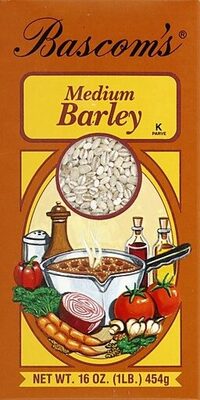
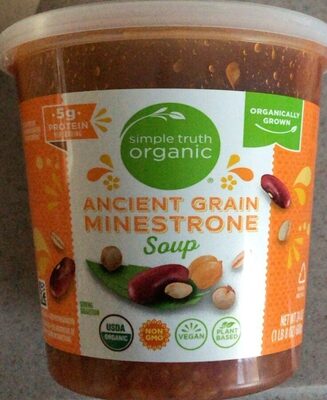
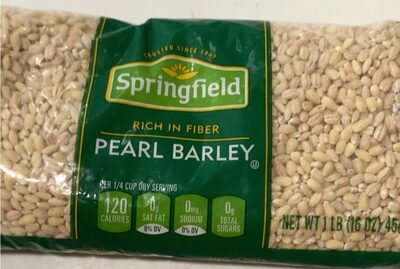
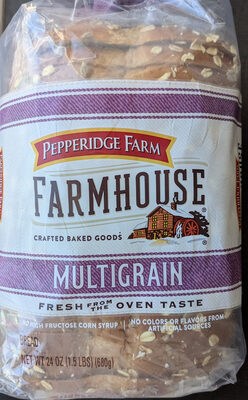
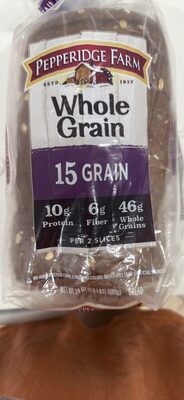
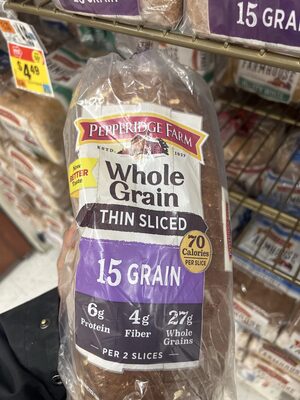
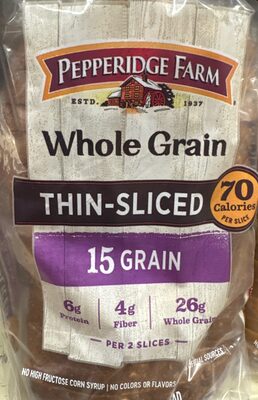
Foods that contain Pearled Barley
Compare products →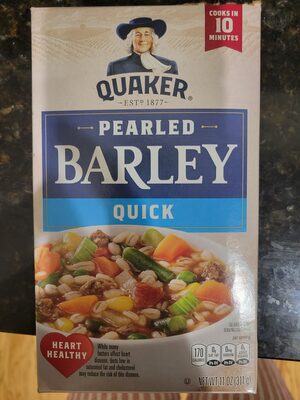
Learn more
Auto-generated content. This description was generated automatically and is pending editorial review. Inaccuracies are possible. Found a mistake? Contact us.