Pepperoni Pizza Topping
What is Pepperoni Pizza Topping?
Pepperoni is a spicy American variety of salami, typically made from cured pork and beef seasoned with paprika or other chili pepper. It is fermented and air-dried, giving it a firm texture and distinctive flavor. The curing process often involves nitrates or nitrites.
Is Pepperoni Pizza Topping vegan?
No. Pepperoni Pizza Topping is animal-derived, so it is not vegan.
Is Pepperoni Pizza Topping a major allergen?
Not a major allergen.
What is Pepperoni Pizza Topping used for?
Manufacturers add pepperoni to provide a savory, spicy, and umami flavor, as well as a chewy texture.
Is Pepperoni Pizza Topping safe?
As a processed meat product, pepperoni is regulated by the USDA and FDA for food safety.
Why it's used
Manufacturers add pepperoni to provide a savory, spicy, and umami flavor, as well as a chewy texture. It is most commonly found as a topping on pizzas and in other savory baked goods like snack rolls and calzones.
Health notes
As a processed meat product, pepperoni is regulated by the USDA and FDA for food safety. It is typically high in saturated fat and sodium. The 2025-2030 Dietary Guidelines for Americans recommend keeping saturated fat intake under 10% of daily calories, and the FDA Daily Value for sodium is 2,300 mg. The International Agency for Research on Cancer (IARC) has classified processed meat, which includes pepperoni, as carcinogenic to humans (Group 1). JECFA and EFSA do not typically evaluate complex food products like pepperoni as individual ingredients.
Allergen info
Not a major allergen.
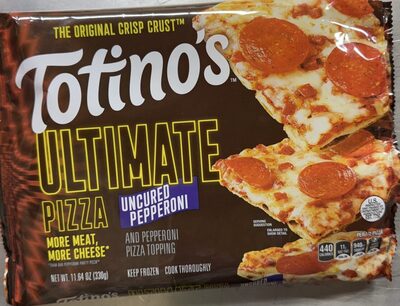
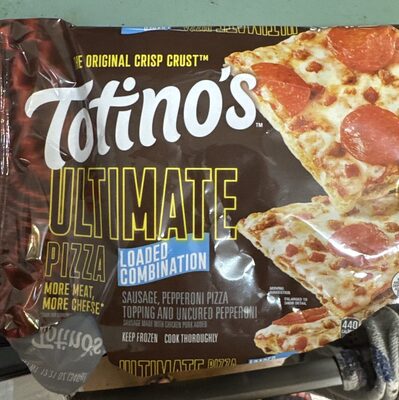
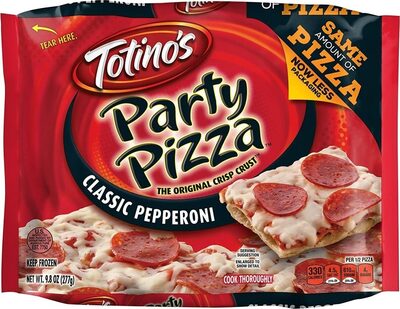
Foods that contain Pepperoni Pizza Topping
Compare products →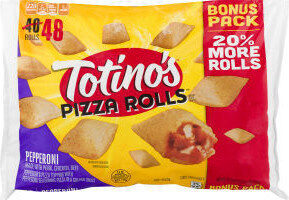
Learn more
Auto-generated content. This description was generated automatically and is pending editorial review. Inaccuracies are possible. Found a mistake? Contact us.