Phyllo Dough
What is Phyllo Dough?
Phyllo dough is a very thin, unleavened dough made from flour, water, and a small amount of oil or butter. It is stretched or rolled paper-thin and layered to create flaky pastries. The name 'phyllo' is Greek for 'leaf'.
Is Phyllo Dough gluten-free?
It also contains gluten.
Is Phyllo Dough a major allergen?
Phyllo dough is made from wheat, which is one of the 9 FDA major allergens.
What is Phyllo Dough used for?
Phyllo dough is used to create flaky, layered pastry products.
Is Phyllo Dough safe?
Phyllo dough is a food ingredient and is not subject to FDA additive regulations.
Why it's used
Phyllo dough is used to create flaky, layered pastry products. Manufacturers use it for its crisp texture and ability to hold fillings. It is common in both sweet and savory dishes, such as baklava, spanakopita, and various appetizers.
Health notes
Phyllo dough is a food ingredient and is not subject to FDA additive regulations. It is primarily a source of carbohydrates. Regulatory bodies like EFSA have evaluated many common ingredients found in phyllo dough, such as flour and oil. Evidence regarding the health effects of phyllo dough at typical consumption levels is generally consistent with a balanced diet.
Allergen info
Phyllo dough is made from wheat, which is one of the 9 FDA major allergens. It also contains gluten. It is not derived from any other major allergens.
Foods that contain Phyllo Dough
Compare products →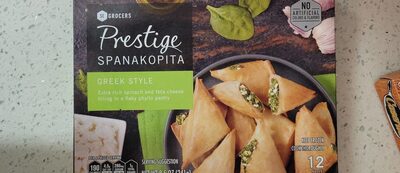
Learn more
Auto-generated content. This description was generated automatically and is pending editorial review. Inaccuracies are possible. Found a mistake? Contact us.