Pitted Kalamata Olives
What is Pitted Kalamata Olives?
Kalamata olives are a specific variety of olive, named after the city of Kalamata in southern Greece. They are large, almond-shaped, and have a deep purple-black color. After harvesting, they are typically cured in brine or oil to remove their natural bitterness and preserve them.
Is Pitted Kalamata Olives vegan?
Pitted Kalamata Olives is not animal-derived. Products that contain it can still include other animal-derived ingredients, so check the full ingredient list.
Is Pitted Kalamata Olives gluten-free?
They do not contain gluten.
Is Pitted Kalamata Olives a major allergen?
Olives are not one of the nine major allergens recognized by the FDA.
What is Pitted Kalamata Olives used for?
Kalamata olives are used to add a distinct, fruity, and slightly bitter flavor to foods.
Is Pitted Kalamata Olives safe?
Kalamata olives are a source of healthy fats, fiber, and antioxidants.
Why it's used
Kalamata olives are used to add a distinct, fruity, and slightly bitter flavor to foods. They are commonly found in Mediterranean dishes, salads, pasta sauces, and as a table olive. Manufacturers use them for their characteristic taste and texture.
Health notes
Kalamata olives are a source of healthy fats, fiber, and antioxidants. The FDA considers olives generally recognized as safe (GRAS). International bodies like JECFA and EFSA have evaluated olives and their components. While generally considered healthy in moderation, their high sodium content from brining can be a concern for individuals monitoring blood pressure.
Allergen info
Olives are not one of the nine major allergens recognized by the FDA. They do not contain gluten.
Foods that contain Pitted Kalamata Olives
Compare products →
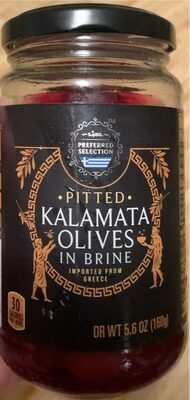 LIDL
Pitted Kalamata Olives
High in saturated fat — 25% DV per serving
300kcal
0Protein
30Fat
5Carbs
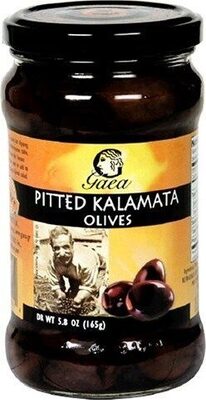
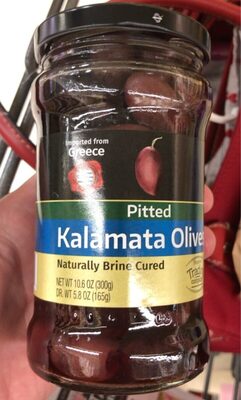

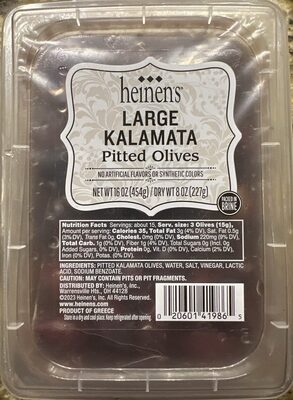
Auto-generated content. This description was generated automatically and is pending editorial review. Inaccuracies are possible. Found a mistake? Contact us.