Pork Skins
What is Pork Skins?
Pork skins are a snack food made from the skin of a pig. The skin is typically boiled or simmered until tender, then fried or baked until crispy. This process removes most of the fat and results in a crunchy texture.
Is Pork Skins vegan?
No. Pork Skins is animal-derived, so it is not vegan.
Is Pork Skins gluten-free?
They do not contain gluten.
Is Pork Skins a major allergen?
Pork skins are not derived from any of the nine major allergens recognized by the FDA.
What is Pork Skins used for?
Pork skins are primarily used as a snack food, often seasoned with salt and spices.
Is Pork Skins safe?
Pork skins are generally recognized as safe (GRAS) by the FDA for use in food.
Why it's used
Pork skins are primarily used as a snack food, often seasoned with salt and spices. They are also sometimes incorporated into processed meats like pâtés or used as a crunchy topping.
Health notes
Pork skins are generally recognized as safe (GRAS) by the FDA for use in food. They are a source of protein and fat. While they are a processed food, consumption in moderation as part of a balanced diet is not typically associated with adverse health effects. International bodies like JECFA have evaluated similar food components.
Allergen info
Pork skins are not derived from any of the nine major allergens recognized by the FDA. They do not contain gluten.
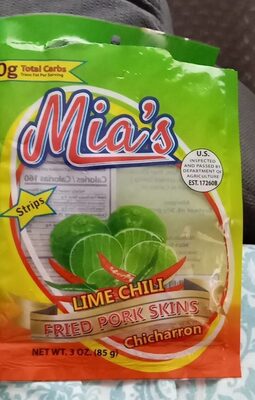
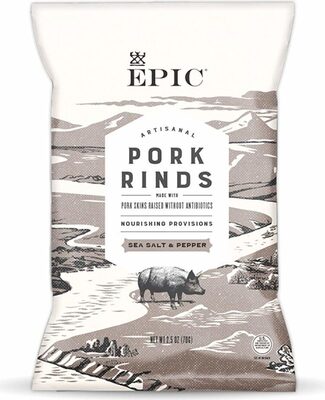
Foods that contain Pork Skins
Compare products →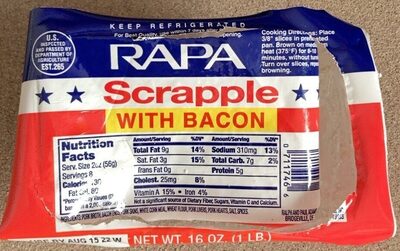
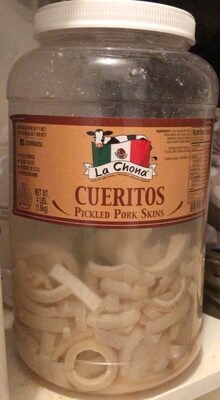
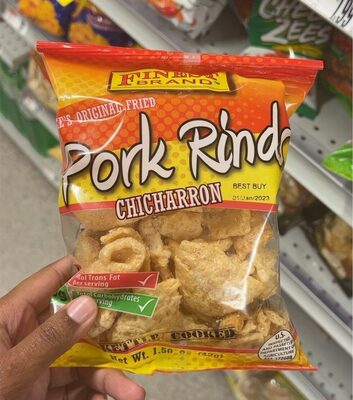
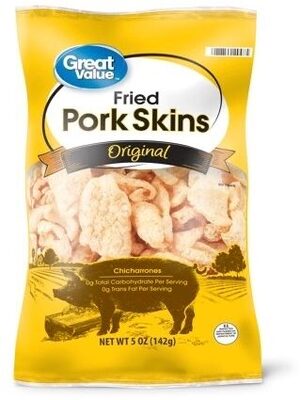
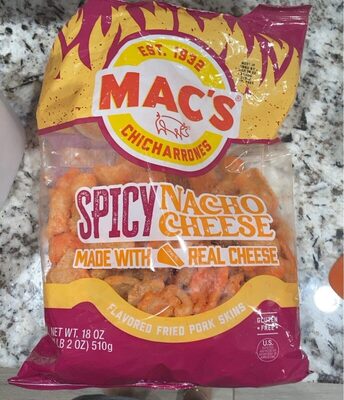
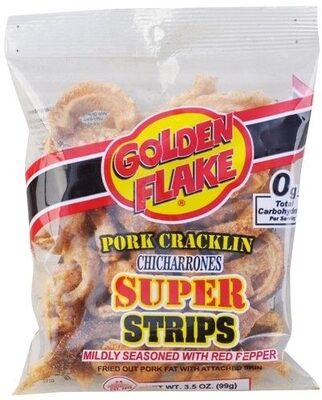
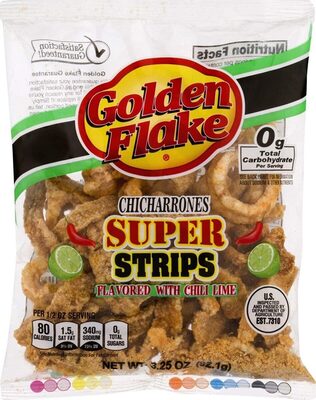
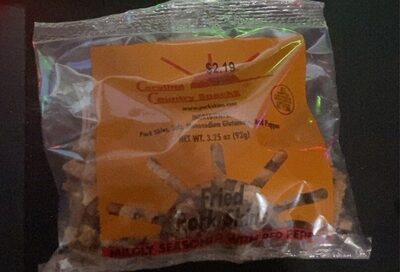

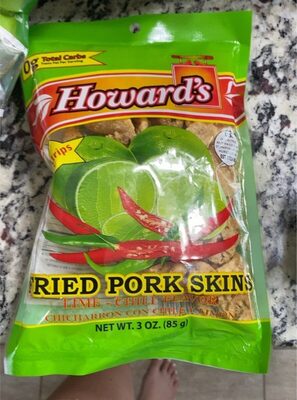
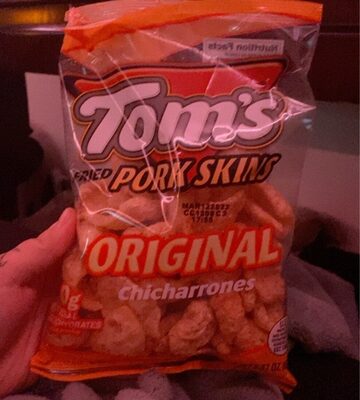
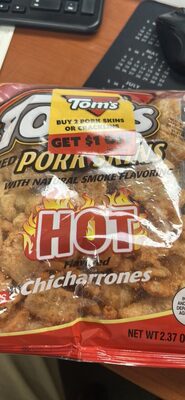

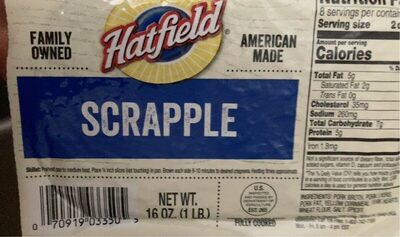
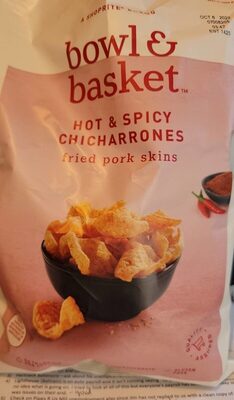
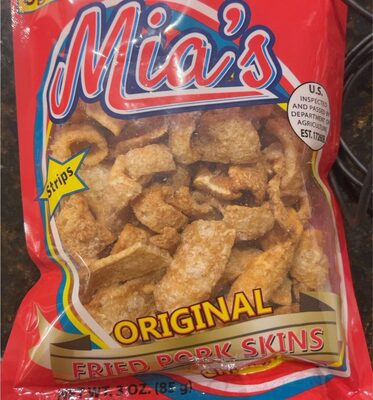
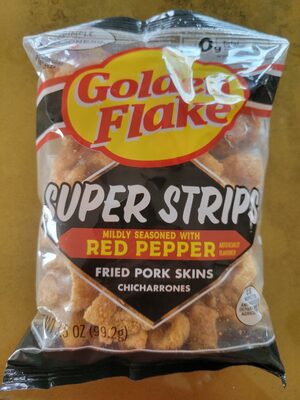
Learn more
Auto-generated content. This description was generated automatically and is pending editorial review. Inaccuracies are possible. Found a mistake? Contact us.