Potassium Hydrogen Carbonate
Auto-generated content. This description was generated automatically and is pending editorial review. Inaccuracies are possible. Found a mistake? Contact us.
What it is
Potassium hydrogen carbonate, also known as potassium bicarbonate, is a potassium salt of carbonic acid. It is a white, crystalline powder that is soluble in water. It occurs naturally in small amounts in plants and can be produced industrially.
Why it's used
Potassium hydrogen carbonate is used as a food additive, primarily as an acidity regulator and leavening agent. It helps control the pH of foods and can produce carbon dioxide when heated, causing baked goods to rise. It is found in a variety of baked goods, including cookies, cakes, and biscuits.
Health notes
Potassium hydrogen carbonate is generally recognized as safe (GRAS) by the U.S. Food and Drug Administration (FDA) for use as a food additive. It is a source of potassium, an essential mineral. The Joint FAO/WHO Expert Committee on Food Additives (JECFA) has evaluated potassium bicarbonate and established an acceptable daily intake. Evidence does not suggest adverse health effects at typical dietary intakes.
Allergen info
Potassium hydrogen carbonate is not derived from any of the nine major allergens recognized by the FDA. It does not contain gluten.
Products containing Potassium Hydrogen Carbonate
Compare products →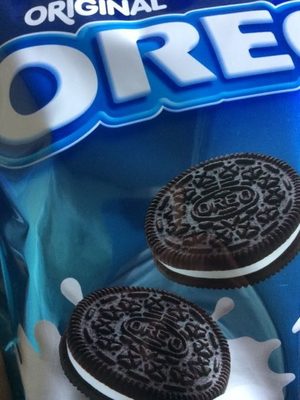 Oreo Cookies
High in saturated fat — 49% DV per serving
—kcal
5Protein
20Fat
73Carbs
Oreo Cookies
High in saturated fat — 49% DV per serving
—kcal
5Protein
20Fat
73Carbs
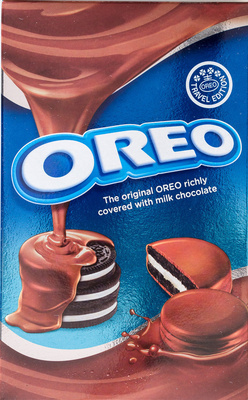 Oreo Cookies Milk Chocolate Covered
High in saturated fat — 72% DV per serving
—kcal
4.8Protein
26Fat
67Carbs
Square Enterprises Corp.
Krakus, Gingerbread In Chocolate With Icing Cookies
375kcal
6.2Protein
4.7Fat
75Carbs
UBT Ltd c/o Welsh Hills Bakery
Fruit Cake With Steam Ginger
329kcal
2.4Protein
7.7Fat
64Carbs
Lrc Ltd.
Grahams, Irish Oar Cookies
High in saturated fat — 22% DV per serving
467kcal
6.7Protein
30Fat
36.7Carbs
Oreo Cookies Milk Chocolate Covered
High in saturated fat — 72% DV per serving
—kcal
4.8Protein
26Fat
67Carbs
Square Enterprises Corp.
Krakus, Gingerbread In Chocolate With Icing Cookies
375kcal
6.2Protein
4.7Fat
75Carbs
UBT Ltd c/o Welsh Hills Bakery
Fruit Cake With Steam Ginger
329kcal
2.4Protein
7.7Fat
64Carbs
Lrc Ltd.
Grahams, Irish Oar Cookies
High in saturated fat — 22% DV per serving
467kcal
6.7Protein
30Fat
36.7Carbs
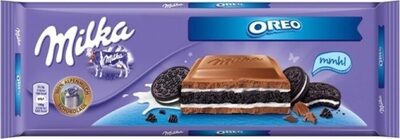 Stark Group International, Inc.
Oreo Alpine Milk Chocolate, Oreo
High in saturated fat — 32% DV per serving
559kcal
5.4Protein
34.5Fat
55.6Carbs
Stark Group International, Inc.
Oreo Alpine Milk Chocolate, Oreo
High in saturated fat — 32% DV per serving
559kcal
5.4Protein
34.5Fat
55.6Carbs