Psyllium Husk Fiber
What is Psyllium Husk Fiber?
Psyllium husk fiber comes from the seeds of the Plantago ovata plant, which is native to India. The outer coating of the seeds, the husk, is ground into a powder. This powder is rich in soluble fiber.
Is Psyllium Husk Fiber vegan?
Psyllium Husk Fiber is not animal-derived. Products that contain it can still include other animal-derived ingredients, so check the full ingredient list.
Is Psyllium Husk Fiber gluten-free?
It is naturally gluten-free.
Is Psyllium Husk Fiber a major allergen?
Psyllium husk is not derived from any of the 9 FDA major allergens.
What is Psyllium Husk Fiber used for?
Psyllium husk is added to foods as a source of dietary fiber.
Is Psyllium Husk Fiber safe?
Psyllium husk is generally recognized as safe (GRAS) by the FDA for use as a dietary fiber supplement and food ingredient.
Why it's used
Psyllium husk is added to foods as a source of dietary fiber. It absorbs water and forms a gel, which can help improve texture and mouthfeel in baked goods like breads and snacks. It is also used to add fiber content to various processed foods.
Health notes
Psyllium husk is generally recognized as safe (GRAS) by the FDA for use as a dietary fiber supplement and food ingredient. It is well-known for its ability to promote digestive regularity due to its high soluble fiber content. International bodies like JECFA and EFSA have evaluated psyllium, and it is widely recognized for its beneficial effects on digestive health and cholesterol levels when consumed as part of a balanced diet. Evidence supports its role in managing constipation and potentially lowering cholesterol.
Allergen info
Psyllium husk is not derived from any of the 9 FDA major allergens. It is naturally gluten-free.
Foods that contain Psyllium Husk Fiber
Compare products →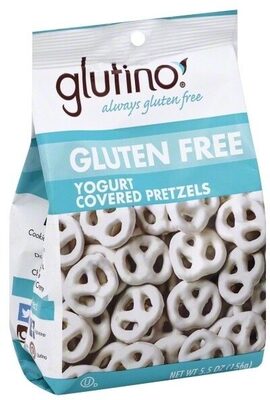
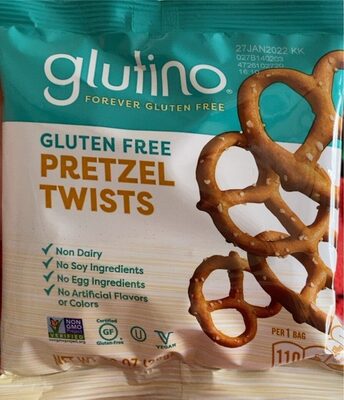
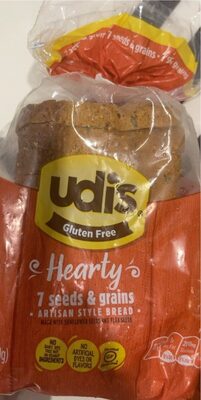
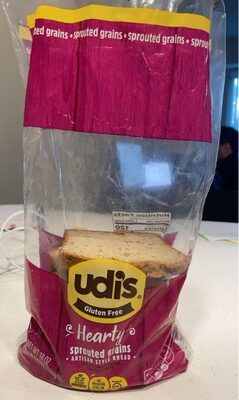
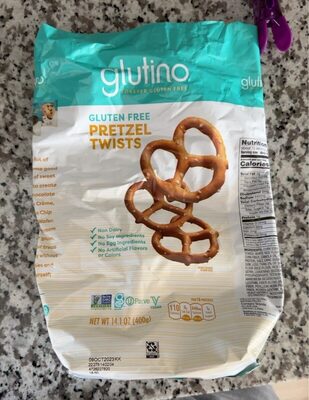

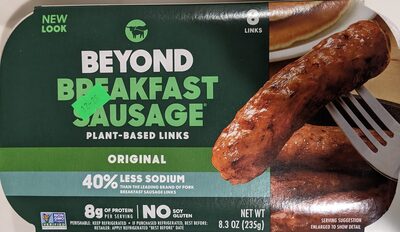
Learn more
Auto-generated content. This description was generated automatically and is pending editorial review. Inaccuracies are possible. Found a mistake? Contact us.