Pumpernickel Flour
Auto-generated content. This description was generated automatically and is pending editorial review. Inaccuracies are possible. Found a mistake? Contact us.
What it is
Pumpernickel flour is a type of whole rye flour. It is made from whole rye grains, including the bran and germ. The flour is typically coarser than standard rye flour and has a darker color and a distinct, earthy flavor.
Why it's used
Pumpernickel flour is primarily used in baking, especially for traditional pumpernickel bread, giving it a dense texture and characteristic dark color. It can also be used in other baked goods like muffins, cookies, and crackers to add a hearty flavor and texture.
Health notes
Pumpernickel flour is generally recognized as safe (GRAS) by the FDA when used as a food ingredient. It is a source of dietary fiber and nutrients found in whole grains. International bodies like JECFA and EFSA have evaluated rye and its components, generally considering them safe for consumption. Evidence suggests whole grains like rye contribute to a healthy diet.
Allergen info
Pumpernickel flour is derived from rye, which contains gluten. Therefore, it is not suitable for individuals with celiac disease or gluten sensitivity. Rye is not one of the nine FDA major allergens.
Products containing Pumpernickel Flour
Compare products →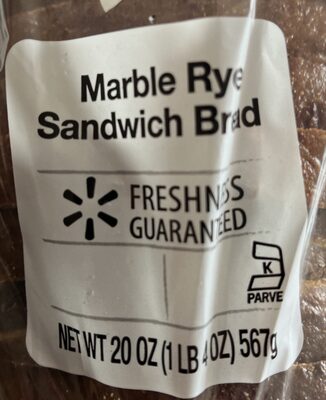 Wal-Mart Stores, Inc.
Marble Rye Sandwich Bread, Marble Rye
250kcal
10Protein
2.5Fat
52.5Carbs
Royal Wine Corporation
Chall-Ettes Rolls, Chall-Ettes
303kcal
9.1Protein
7.6Fat
48.5Carbs
Royal Wine Corporation
Grandma Gittel Challah Bread, Grandma Gittel
326kcal
9.3Protein
9.3Fat
51.2Carbs
Wal-Mart Stores, Inc.
Marble Rye Sandwich Bread, Marble Rye
250kcal
10Protein
2.5Fat
52.5Carbs
Royal Wine Corporation
Chall-Ettes Rolls, Chall-Ettes
303kcal
9.1Protein
7.6Fat
48.5Carbs
Royal Wine Corporation
Grandma Gittel Challah Bread, Grandma Gittel
326kcal
9.3Protein
9.3Fat
51.2Carbs