Quinoa And Amaranth
Auto-generated content. This description was generated automatically and is pending editorial review. Inaccuracies are possible. Found a mistake? Contact us.
What it is
Quinoa and amaranth are both ancient grains, often called pseudocereals, meaning they are seeds used like grains. Quinoa originated in the Andes region of South America, while amaranth has a history in Mesoamerica. Both are typically cooked by boiling in water until tender.
Why it's used
These grains are added for their nutritional value and texture. They can be found in products like crackers, chips, and snack mixes, contributing a wholesome, nutty flavor and a slightly chewy or crunchy bite depending on preparation.
Health notes
Quinoa and amaranth are naturally gluten-free and are considered whole foods. They are good sources of fiber, protein, and various micronutrients. Regulatory bodies like the FDA consider them safe for consumption as part of a balanced diet. Research suggests that whole grains like quinoa and amaranth can be part of a heart-healthy eating pattern.
Allergen info
Quinoa and amaranth are not among the nine major allergens identified by the FDA. They are also naturally gluten-free.
Products containing Quinoa And Amaranth
Compare products →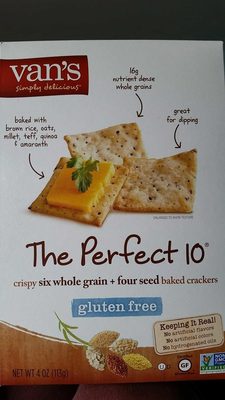 KSLB Holdings, LLC
Gluten Free Crackers
467kcal
6.7Protein
20Fat
66.7Carbs
KSLB Holdings, LLC
Mighty Good BBQ! Baked Multigrain Chips
433kcal
6.7Protein
15Fat
73.3Carbs
KSLB Holdings, LLC
Gluten Free Crackers
467kcal
6.7Protein
20Fat
66.7Carbs
KSLB Holdings, LLC
Mighty Good BBQ! Baked Multigrain Chips
433kcal
6.7Protein
15Fat
73.3Carbs
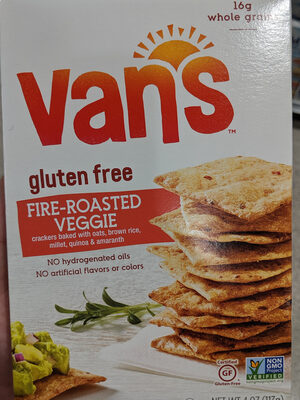 KSLB Holdings, LLC
Fire-Roasted Veggie
433kcal
6.7Protein
15Fat
73.3Carbs
KSLB Holdings, LLC
Fire-Roasted Veggie
433kcal
6.7Protein
15Fat
73.3Carbs