Reduced Fat Sour Cream
What is Reduced Fat Sour Cream?
Reduced fat sour cream is a dairy product made by fermenting cream with lactic acid bacteria. It has a tangy flavor and thick, creamy texture, but with a lower fat content than regular sour cream. The fermentation process gives it its characteristic taste and consistency.
Is Reduced Fat Sour Cream vegan?
No. Reduced Fat Sour Cream is animal-derived, so it is not vegan.
Is Reduced Fat Sour Cream a major allergen?
This product contains milk, which is one of the nine major FDA allergens.
What is Reduced Fat Sour Cream used for?
Manufacturers use reduced fat sour cream to add a creamy texture and tangy flavor to various dishes.
Is Reduced Fat Sour Cream safe?
Reduced fat sour cream is a common food ingredient and is generally recognized as safe (GRAS) by the FDA.
Why it's used
Manufacturers use reduced fat sour cream to add a creamy texture and tangy flavor to various dishes. It's commonly found in dips, sauces, dressings, and as an ingredient in prepared meals like spinach and artichoke dip or quiches.
Health notes
Reduced fat sour cream is a common food ingredient and is generally recognized as safe (GRAS) by the FDA. As a dairy product, it provides protein and calcium, with less saturated fat and calories compared to full-fat sour cream. JECFA and EFSA do not typically evaluate basic food ingredients like sour cream.
Allergen info
This product contains milk, which is one of the nine major FDA allergens.
Foods that contain Reduced Fat Sour Cream
Compare products →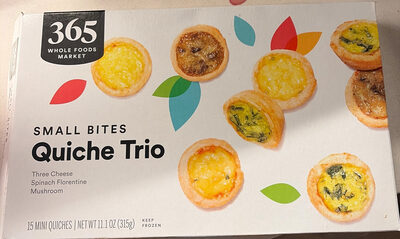
Learn more
Auto-generated content. This description was generated automatically and is pending editorial review. Inaccuracies are possible. Found a mistake? Contact us.