Reduced Iron Hydrogen
What is Reduced Iron Hydrogen?
Reduced iron is a form of iron that is very finely powdered. It is made by reducing iron oxides with hydrogen gas at high temperatures. This process creates a highly pure and reactive form of iron.
Is Reduced Iron Hydrogen vegan?
Reduced Iron Hydrogen is not animal-derived. Products that contain it can still include other animal-derived ingredients, so check the full ingredient list.
Is Reduced Iron Hydrogen gluten-free?
It does not contain gluten.
Is Reduced Iron Hydrogen a major allergen?
Reduced iron is not derived from any of the 9 FDA major allergens.
What is Reduced Iron Hydrogen used for?
Reduced iron is added to foods as a source of iron, a vital nutrient.
Is Reduced Iron Hydrogen safe?
In the U.S., reduced iron is generally recognized as safe (GRAS) by the FDA when used as a nutrient supplement.
Why it's used
Reduced iron is added to foods as a source of iron, a vital nutrient. It is commonly found in fortified breakfast cereals, flours, and infant formulas. Manufacturers use it to help consumers meet their daily iron requirements.
Health notes
In the U.S., reduced iron is generally recognized as safe (GRAS) by the FDA when used as a nutrient supplement. Iron is essential for oxygen transport in the blood. While iron is crucial, excessive intake can be harmful, especially for children. JECFA and EFSA have evaluated iron and its compounds, establishing guidelines for safe use.
Allergen info
Reduced iron is not derived from any of the 9 FDA major allergens. It does not contain gluten.
Foods that contain Reduced Iron Hydrogen
Compare products →
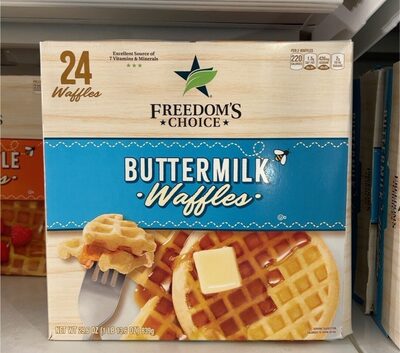


Learn more
Auto-generated content. This description was generated automatically and is pending editorial review. Inaccuracies are possible. Found a mistake? Contact us.