Refined Cottonseed Oil
What is Refined Cottonseed Oil?
Refined cottonseed oil is a vegetable oil extracted from the seeds of cotton plants. After the cotton fibers are removed, the seeds are cleaned, delinted, and crushed to extract the oil. The crude oil then undergoes a refining process that includes degumming, neutralizing, bleaching, and deodorizing to remove impurities and create a neutral-tasting, clear oil.
Is Refined Cottonseed Oil vegan?
Refined Cottonseed Oil is not animal-derived. Products that contain it can still include other animal-derived ingredients, so check the full ingredient list.
Is Refined Cottonseed Oil gluten-free?
It does not contain gluten.
Is Refined Cottonseed Oil a major allergen?
Cottonseed is not one of the 9 major allergens recognized by the FDA.
What is Refined Cottonseed Oil used for?
Manufacturers use refined cottonseed oil as a cooking oil and as an ingredient in processed foods due to its neutral flavor and high smoke point.
Is Refined Cottonseed Oil safe?
Refined cottonseed oil is generally recognized as safe (GRAS) by the FDA for use in food.
Why it's used
Manufacturers use refined cottonseed oil as a cooking oil and as an ingredient in processed foods due to its neutral flavor and high smoke point. It is often found in baked goods, fried foods, salad dressings, margarine, and shortening.
Health notes
Refined cottonseed oil is generally recognized as safe (GRAS) by the FDA for use in food. It is a source of polyunsaturated and monounsaturated fats. The Joint FAO/WHO Expert Committee on Food Additives (JECFA) has evaluated cottonseed oil and established specifications for its use. Some older studies raised concerns about gossypol, a natural toxin in raw cottonseed, but the refining process effectively removes it to safe levels for consumption.
Allergen info
Cottonseed is not one of the 9 major allergens recognized by the FDA. It does not contain gluten.
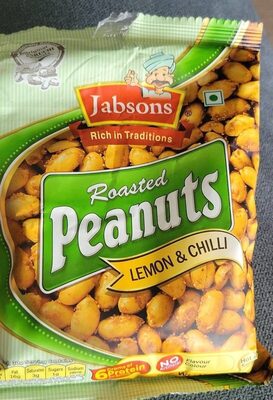
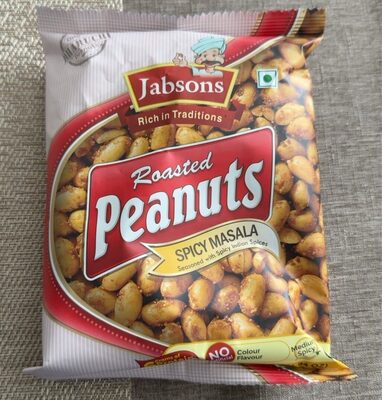
Foods that contain Refined Cottonseed Oil
Compare products →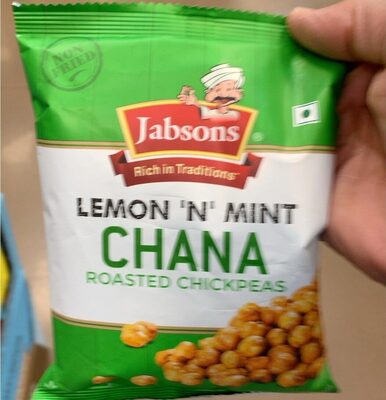
Learn more
Auto-generated content. This description was generated automatically and is pending editorial review. Inaccuracies are possible. Found a mistake? Contact us.