Resistant Wheat Starch
What is Resistant Wheat Starch?
Resistant wheat starch is a type of dietary fiber made from wheat. It is produced by processing wheat starch to make it more resistant to digestion. This process increases its fiber content and changes how it behaves in the body.
Is Resistant Wheat Starch vegan?
Resistant Wheat Starch is not animal-derived. Products that contain it can still include other animal-derived ingredients, so check the full ingredient list.
Is Resistant Wheat Starch gluten-free?
It contains gluten.
Is Resistant Wheat Starch a major allergen?
Resistant wheat starch is derived from wheat, which is one of the 9 FDA major allergens.
What is Resistant Wheat Starch used for?
Manufacturers add resistant wheat starch to foods as a source of fiber.
Is Resistant Wheat Starch safe?
Resistant wheat starch is generally recognized as safe (GRAS) by the FDA for use in food.
Why it's used
Manufacturers add resistant wheat starch to foods as a source of fiber. It can help improve the texture and mouthfeel of products. It is often found in baked goods like breads and buns, and in some Mexican food mixes.
Health notes
Resistant wheat starch is generally recognized as safe (GRAS) by the FDA for use in food. It is a source of dietary fiber, which is important for digestive health. Some studies suggest it may help with blood sugar control and promote feelings of fullness. JECFA has evaluated resistant starch and did not set a numeric limit (ADI not specified). Evidence on its long-term health effects is still developing.
Allergen info
Resistant wheat starch is derived from wheat, which is one of the 9 FDA major allergens. It contains gluten.
Foods that contain Resistant Wheat Starch
Compare products →

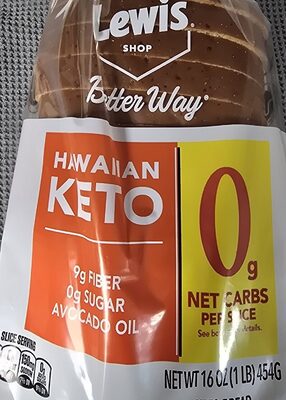

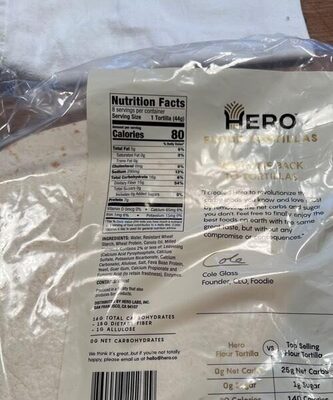







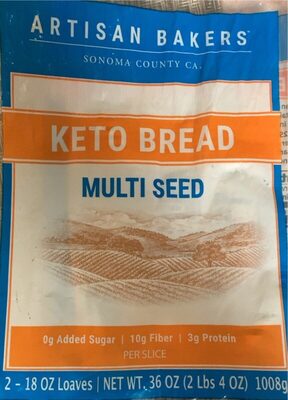



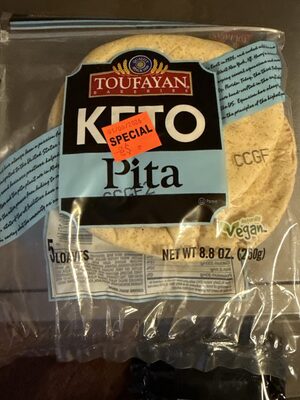
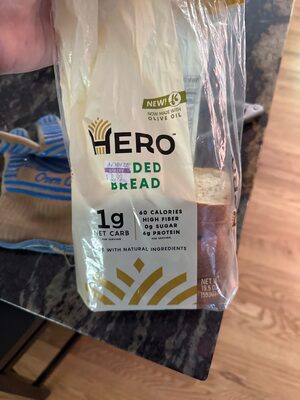

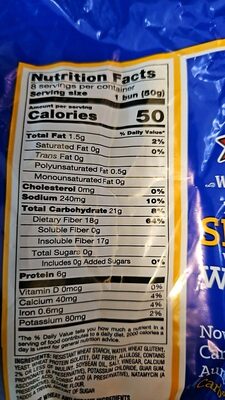
Learn more
Auto-generated content. This description was generated automatically and is pending editorial review. Inaccuracies are possible. Found a mistake? Contact us.