Auto-generated content.
This description was generated automatically and is pending editorial review.
Inaccuracies are possible. Found a mistake? Contact us.
Source
Animal-derived
Allergen
No
Role in food
Manufacturers add retinol palmitate to fortify foods with vitamin A, as it is more …
What it is
Retinol palmitate is a form of vitamin A, an essential nutrient for vision, immune function, and cell growth. It is synthesized by combining retinol (vitamin A) with palmitic acid, a fatty acid found in palm oil and animal fats.
Why it's used
Manufacturers add retinol palmitate to fortify foods with vitamin A, as it is more stable than other forms of vitamin A. It is commonly found in processed cereals, dairy products, and some beverages.
Health notes
In the US, retinol palmitate is generally recognized as safe (GRAS) by the FDA when used as a nutrient supplement. The National Academies have established upper intake levels for vitamin A. JECFA and EFSA have evaluated vitamin A compounds. High doses of vitamin A can be toxic, but typical dietary intake from fortified foods is not a concern.
Note:
This site presents label data from USDA FoodData Central for general information. It is not medical advice.
Check the package label; formulations change.
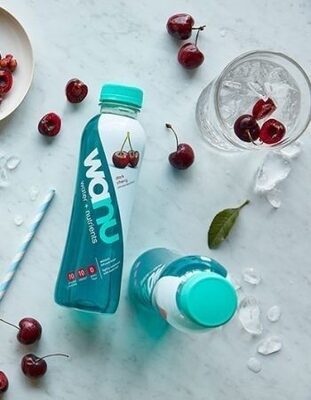 Wanu Water, Inc.
Nutrient Infused Water, Kiwi Cucumber
4kcal
0Protein
0Fat
1.7Carbs
Wanu Water, Inc.
Nutrient Infused Water, Kiwi Cucumber
4kcal
0Protein
0Fat
1.7Carbs