Ribo-flavin
What is Ribo-flavin?
Riboflavin, also known as Vitamin B2, is a water-soluble vitamin that occurs naturally in foods like eggs, meat, and leafy green vegetables. It is often produced industrially through fermentation using microorganisms. Riboflavin plays a crucial role in energy production, cell function, and metabolism.
Is Ribo-flavin gluten-free?
It does not contain gluten.
Is Ribo-flavin a major allergen?
Riboflavin is not a major allergen and is not derived from any of the nine FDA major allergens.
What is Ribo-flavin used for?
Riboflavin is commonly added to foods as a nutrient supplement to fortify them, helping consumers meet their daily vitamin needs.
Is Ribo-flavin safe?
Riboflavin is generally recognized as safe (GRAS) by the FDA when used as a nutrient or for its coloring properties.
Why it's used
Riboflavin is commonly added to foods as a nutrient supplement to fortify them, helping consumers meet their daily vitamin needs. It is also used as a yellow food coloring. You can find it in a variety of products, including pasta, cereals, baked goods, and dairy products.
Health notes
Riboflavin is generally recognized as safe (GRAS) by the FDA when used as a nutrient or for its coloring properties. It is an essential nutrient, and adequate intake is important for overall health. International bodies like JECFA and EFSA have evaluated riboflavin, and it is considered safe for consumption. No significant health concerns are associated with typical dietary intake.
Allergen info
Riboflavin is not a major allergen and is not derived from any of the nine FDA major allergens. It does not contain gluten.
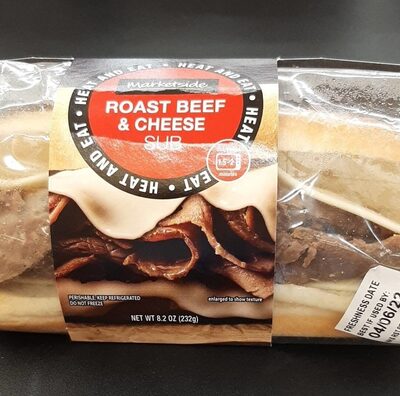
Foods that contain Ribo-flavin
Compare products →
Learn more
Auto-generated content. This description was generated automatically and is pending editorial review. Inaccuracies are possible. Found a mistake? Contact us.