Romano And Asiago Cheeses
What is Romano And Asiago Cheeses?
Romano and Asiago are Italian-style cheeses made from cow's milk. Romano is typically aged longer, giving it a sharper, saltier flavor, while Asiago is often milder and creamier when young, becoming sharper with age.
Is Romano And Asiago Cheeses vegan?
No. Romano And Asiago Cheeses is animal-derived, so it is not vegan.
Is Romano And Asiago Cheeses gluten-free?
They do not contain gluten.
Is Romano And Asiago Cheeses a major allergen?
Romano and Asiago cheeses are derived from milk, which is one of the 9 FDA major allergens.
What is Romano And Asiago Cheeses used for?
These cheeses are added to foods for their distinct savory and salty flavor profiles.
Is Romano And Asiago Cheeses safe?
Romano and Asiago cheeses are generally recognized as safe (GRAS) by the FDA as food ingredients.
Why it's used
These cheeses are added to foods for their distinct savory and salty flavor profiles. They are commonly found in pasta dishes, pizzas, baked goods, and as a topping for various entrees.
Health notes
Romano and Asiago cheeses are generally recognized as safe (GRAS) by the FDA as food ingredients. They are a source of protein, calcium, and other nutrients. Regulatory bodies like JECFA and EFSA have evaluated cheese as a food category. Like all dairy products, they contain lactose and saturated fat.
Allergen info
Romano and Asiago cheeses are derived from milk, which is one of the 9 FDA major allergens. They do not contain gluten.
Foods that contain Romano And Asiago Cheeses
Compare products →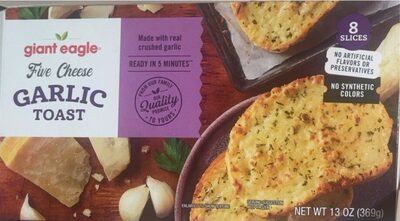
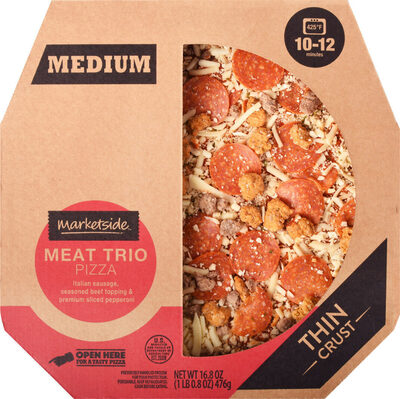
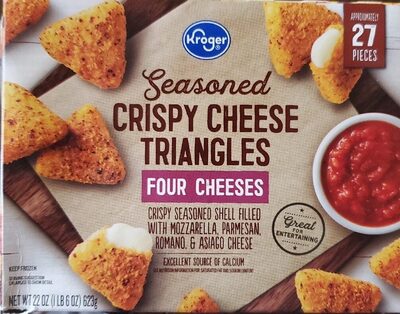
Learn more
Auto-generated content. This description was generated automatically and is pending editorial review. Inaccuracies are possible. Found a mistake? Contact us.