Sake Wine
What is Sake Wine?
Sake is a Japanese alcoholic beverage made from fermented rice. It is produced by a brewing process similar to beer, where rice is first converted to sugar and then fermented into alcohol.
Is Sake Wine vegan?
Sake Wine is not animal-derived. Products that contain it can still include other animal-derived ingredients, so check the full ingredient list.
Is Sake Wine gluten-free?
It does not contain gluten.
Is Sake Wine a major allergen?
Sake is derived from rice, which is not one of the nine major allergens.
What is Sake Wine used for?
Sake is often used as a flavoring agent in cooking, particularly in Japanese cuisine.
Is Sake Wine safe?
Sake is generally recognized as safe (GRAS) by the FDA when used as a food ingredient.
Why it's used
Sake is often used as a flavoring agent in cooking, particularly in Japanese cuisine. Its mild, slightly sweet, and umami flavor can add depth to marinades, sauces, and braised dishes. It is found in frozen dinners, grain-based meals, and deli items.
Health notes
Sake is generally recognized as safe (GRAS) by the FDA when used as a food ingredient. As an alcoholic beverage, its consumption is associated with the health effects of alcohol. JECFA has evaluated sake and established a standard for its identity and quality. Evidence does not suggest adverse health effects from its use as a food flavoring at typical levels.
Allergen info
Sake is derived from rice, which is not one of the nine major allergens. It does not contain gluten.
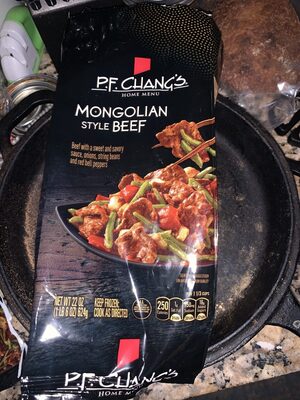
Foods that contain Sake Wine
Compare products →


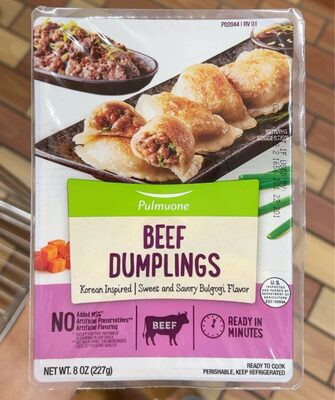







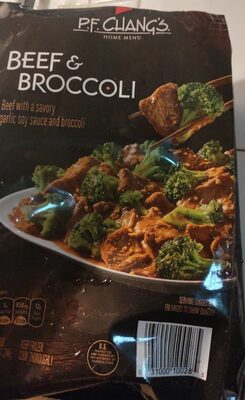
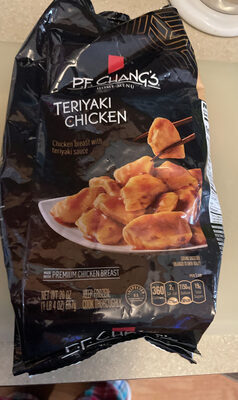


Auto-generated content. This description was generated automatically and is pending editorial review. Inaccuracies are possible. Found a mistake? Contact us.