Sesame Nuggets
What is Sesame Nuggets?
Sesame nuggets are small, crunchy pieces made from toasted sesame seeds. The seeds are often pressed or bound together, sometimes with a sweetener like sugar or honey, and then baked or fried until crisp. This process intensifies their nutty flavor and creates a satisfying texture.
Is Sesame Nuggets vegan?
Sesame Nuggets is not animal-derived. Products that contain it can still include other animal-derived ingredients, so check the full ingredient list.
Is Sesame Nuggets a major allergen?
Sesame is one of the 9 major allergens recognized by the FDA.
What is Sesame Nuggets used for?
Sesame nuggets are primarily used as a textural element and flavor enhancer in food products.
Is Sesame Nuggets safe?
Sesame seeds are a source of healthy fats, protein, and minerals.
Why it's used
Sesame nuggets are primarily used as a textural element and flavor enhancer in food products. They add a distinct nutty crunch and are often found in salad toppings, seasoned salts, marinades, and baked goods. Manufacturers use them to provide a gourmet feel and an appealing bite.
Health notes
Sesame seeds are a source of healthy fats, protein, and minerals. The FDA generally recognizes sesame as safe (GRAS) when used as a food ingredient. While sesame seeds are nutritious, some individuals have sesame allergies. JECFA and EFSA have evaluated sesame and its components, but specific health claims at typical consumption levels are not established.
Allergen info
Sesame is one of the 9 major allergens recognized by the FDA. It is important for individuals with sesame allergies to avoid products containing sesame nuggets.
Foods that contain Sesame Nuggets
Compare products →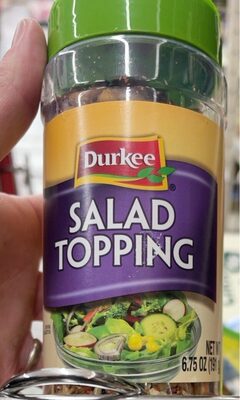
Auto-generated content. This description was generated automatically and is pending editorial review. Inaccuracies are possible. Found a mistake? Contact us.