Unbleached Wheat Flour
Auto-generated content. This description was generated automatically and is pending editorial review. Inaccuracies are possible. Found a mistake? Contact us.
What it is
Unbleached wheat flour is a powder made by grinding wheat kernels. Unlike bleached flour, it is not treated with chemical agents to whiten it or speed up its aging process. Its natural aging allows it to develop a slightly off-white color and a denser texture.
Why it's used
Manufacturers use unbleached wheat flour as a primary ingredient to provide structure and texture in a wide variety of baked goods. It is a staple in products like breads, buns, pastries, and snacks due to its gluten content, which helps dough rise and gives elasticity.
Health notes
As a common food ingredient, unbleached wheat flour is generally recognized as safe (GRAS) by the FDA when used in accordance with good manufacturing practices. It is a source of carbohydrates and fiber. For individuals with celiac disease or gluten sensitivity, consuming wheat flour can cause adverse reactions due to its gluten content. JECFA and EFSA primarily evaluate food additives; as a staple food ingredient, wheat flour is not typically subject to the same additive evaluation processes.
Allergen info
Wheat is one of the nine major food allergens identified by the FDA. This ingredient contains gluten, which can cause adverse reactions in individuals with celiac disease or gluten sensitivity.
Products containing Unbleached Wheat Flour
Compare products →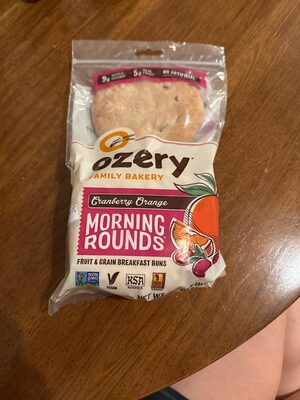 OZERY BAKERY
Buns
267kcal
8.3Protein
1.7Fat
53.3Carbs
OZERY
Snacking Rounds, Fruit & Grain Snacks
269kcal
7.7Protein
0Fat
53.9Carbs
UTZ Quality Foods, Inc.
Utz, Pretzel Rods
400kcal
10Protein
3.3Fat
80Carbs
GOPICNIC
Turkey Slices & Cheddar
High in sodium — 31% DV per serving
High in saturated fat — 23% DV per serving
182kcal
5.9Protein
6.5Fat
24.7Carbs
WHOLE FOODS MARKET
Fig Bars
321kcal
3.6Protein
7.1Fat
67.9Carbs
WHOLE FOODS MARKET
Whole Foods Market, Low-Fat Fig Bars
321kcal
3.6Protein
3.6Fat
67.9Carbs
SABINE'S COLLECTIONS
Baguette Crisps
286kcal
7.1Protein
7.1Fat
46.4Carbs
FLAVE!
Flave!, A Blend Of Sesame Seeds And Peanuts Coated With A Sweet Honey Glaze, Honey Roasted Crunch
607kcal
14.3Protein
39.3Fat
39.3Carbs
OZERY BAKERY
Buns
267kcal
8.3Protein
1.7Fat
53.3Carbs
OZERY
Snacking Rounds, Fruit & Grain Snacks
269kcal
7.7Protein
0Fat
53.9Carbs
UTZ Quality Foods, Inc.
Utz, Pretzel Rods
400kcal
10Protein
3.3Fat
80Carbs
GOPICNIC
Turkey Slices & Cheddar
High in sodium — 31% DV per serving
High in saturated fat — 23% DV per serving
182kcal
5.9Protein
6.5Fat
24.7Carbs
WHOLE FOODS MARKET
Fig Bars
321kcal
3.6Protein
7.1Fat
67.9Carbs
WHOLE FOODS MARKET
Whole Foods Market, Low-Fat Fig Bars
321kcal
3.6Protein
3.6Fat
67.9Carbs
SABINE'S COLLECTIONS
Baguette Crisps
286kcal
7.1Protein
7.1Fat
46.4Carbs
FLAVE!
Flave!, A Blend Of Sesame Seeds And Peanuts Coated With A Sweet Honey Glaze, Honey Roasted Crunch
607kcal
14.3Protein
39.3Fat
39.3Carbs