Skim Cow's Milk
What is Skim Cow's Milk?
Skim cow's milk is cow's milk that has had most of its butterfat removed. It is a liquid dairy product that is a source of protein and calcium. It is made by separating the cream from the milk, usually through centrifugation.
Is Skim Cow's Milk vegan?
No. Skim Cow's Milk is animal-derived, so it is not vegan.
Is Skim Cow's Milk gluten-free?
It does not contain gluten.
Is Skim Cow's Milk a major allergen?
Skim cow's milk is derived from milk, which is one of the 9 FDA major allergens.
What is Skim Cow's Milk used for?
Skim milk is used in a variety of processed foods to add protein, calcium, and a creamy texture without the fat.
Is Skim Cow's Milk safe?
Skim milk is generally recognized as safe (GRAS) by the FDA.
Why it's used
Skim milk is used in a variety of processed foods to add protein, calcium, and a creamy texture without the fat. It can act as a binder, emulsifier, or flavor enhancer. It is commonly found in frozen meals, sauces, baked goods, and dairy-based beverages.
Health notes
Skim milk is generally recognized as safe (GRAS) by the FDA. It is a source of calcium and vitamin D, which are important for bone health. International bodies like JECFA and EFSA have evaluated milk and dairy products. While generally considered healthy, some people may have sensitivities or choose plant-based alternatives for dietary or ethical reasons.
Allergen info
Skim cow's milk is derived from milk, which is one of the 9 FDA major allergens. It does not contain gluten.
Foods that contain Skim Cow's Milk
Compare products →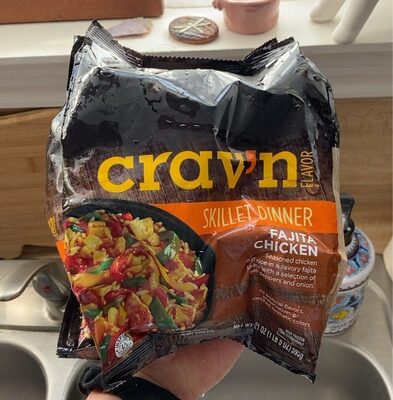
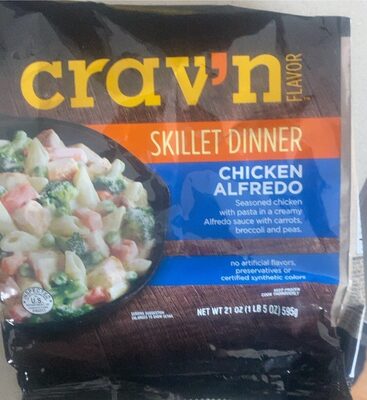
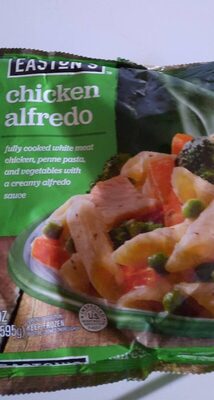
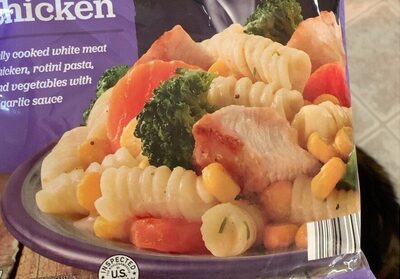
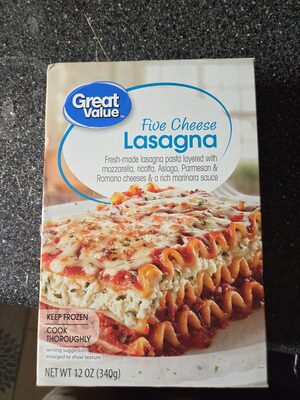
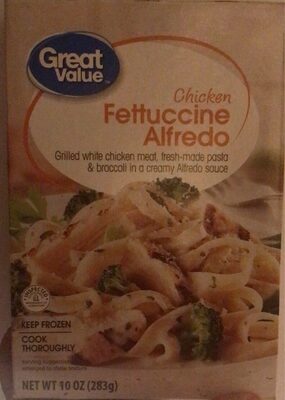
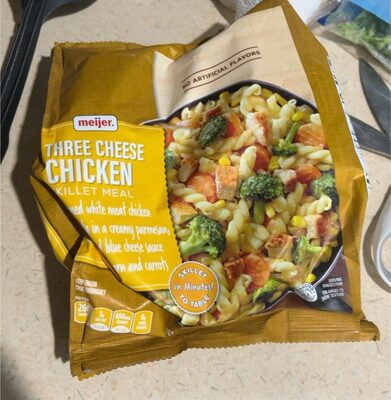
Learn more
Auto-generated content. This description was generated automatically and is pending editorial review. Inaccuracies are possible. Found a mistake? Contact us.