Sodium Hydroxide
What is Sodium Hydroxide?
Sodium hydroxide is a strong alkali, also known as lye. It is manufactured industrially and is commonly used in food processing. It is a white solid that is highly soluble in water.
Is Sodium Hydroxide vegan?
Sodium Hydroxide is not animal-derived. Products that contain it can still include other animal-derived ingredients, so check the full ingredient list.
Is Sodium Hydroxide a major allergen?
Not a major allergen.
What is Sodium Hydroxide used for?
Sodium hydroxide is used to alter the pH of foods, which can affect texture and preservation.
Is Sodium Hydroxide safe?
In the U.S., sodium hydroxide is Generally Recognized As Safe (GRAS) by the FDA when used for food processing.
Why it's used
Sodium hydroxide is used to alter the pH of foods, which can affect texture and preservation. It is also used in the "lye treatment" process for some baked goods like pretzels and bagels, giving them a distinct chewy texture and brown crust. It can also be used to remove the skins from fruits and vegetables during processing.
Health notes
In the U.S., sodium hydroxide is Generally Recognized As Safe (GRAS) by the FDA when used for food processing. When used in food, it is neutralized and present in very small amounts. International bodies like JECFA have evaluated it. There are no widespread controversies regarding its use in food at typical levels.
Allergen info
Not a major allergen.
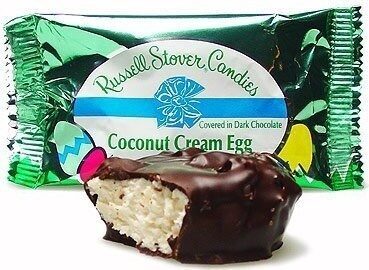
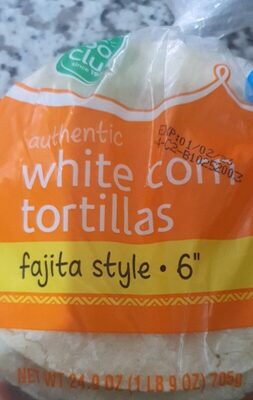
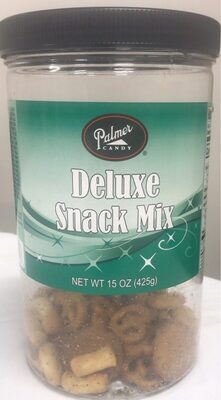
Foods that contain Sodium Hydroxide
Compare products →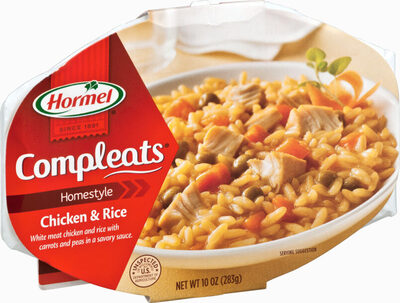
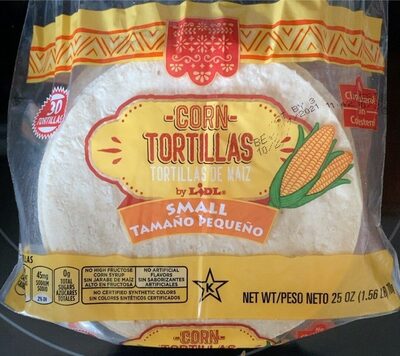
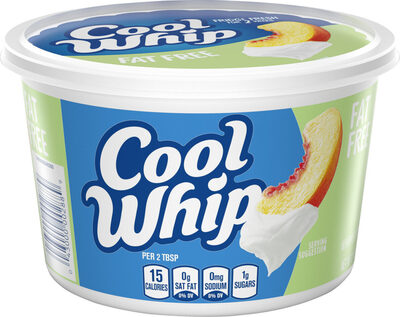
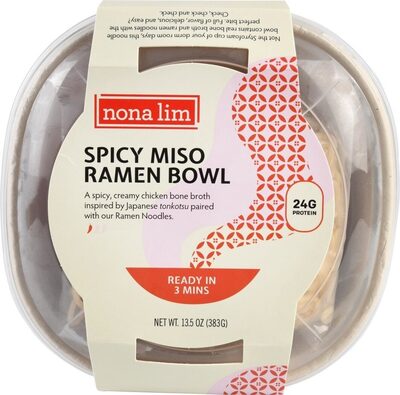









Auto-generated content. This description was generated automatically and is pending editorial review. Inaccuracies are possible. Found a mistake? Contact us.