Soy Leghemoglobin
What is Soy Leghemoglobin?
Soy leghemoglobin is a protein found naturally in the root nodules of soybean plants. It is produced through a fermentation process using genetically engineered yeast. This process allows for the large-scale production of the protein, which gives plant-based meats a characteristic meaty flavor and color.
Is Soy Leghemoglobin vegan?
Soy Leghemoglobin is not animal-derived. Products that contain it can still include other animal-derived ingredients, so check the full ingredient list.
Is Soy Leghemoglobin a major allergen?
Soy leghemoglobin is derived from soy, which is one of the nine FDA major allergens.
What is Soy Leghemoglobin used for?
Manufacturers add soy leghemoglobin to plant-based meat alternatives to mimic the taste, texture, and appearance of animal meat.
Is Soy Leghemoglobin safe?
Soy leghemoglobin has been evaluated by the U.S. Food and Drug Administration (FDA) and is generally recognized as safe (GRAS) for use in food.
Why it's used
Manufacturers add soy leghemoglobin to plant-based meat alternatives to mimic the taste, texture, and appearance of animal meat. It is particularly used in products like burgers, sausages, and other meat substitutes to provide a more authentic 'meaty' experience for consumers.
Health notes
Soy leghemoglobin has been evaluated by the U.S. Food and Drug Administration (FDA) and is generally recognized as safe (GRAS) for use in food. The FDA's assessment considered the protein's history of safe consumption and the production process. International bodies like JECFA have also evaluated it. While generally considered safe at typical consumption levels, some public discussion has occurred regarding the use of genetically engineered ingredients.
Allergen info
Soy leghemoglobin is derived from soy, which is one of the nine FDA major allergens. Individuals with soy allergies should exercise caution.
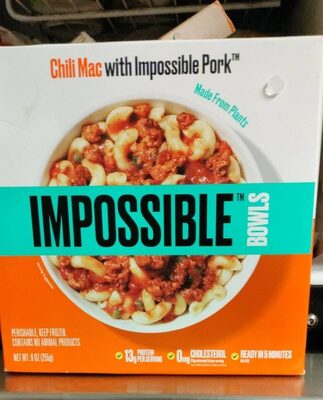
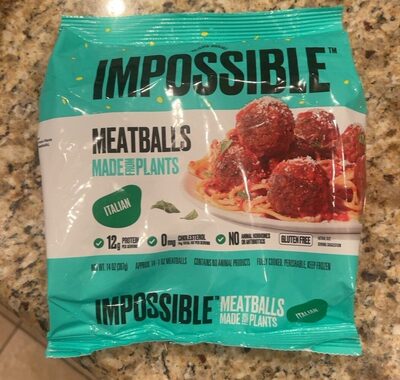
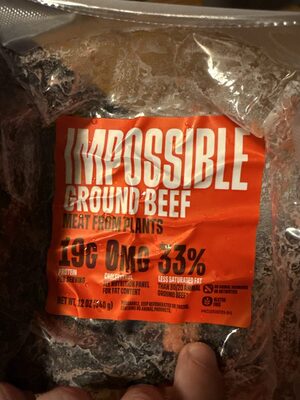
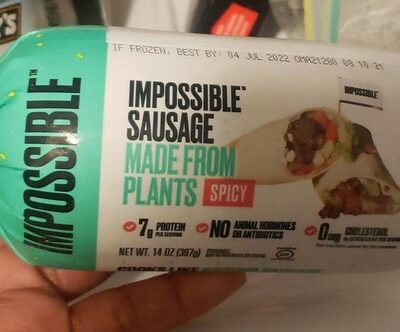
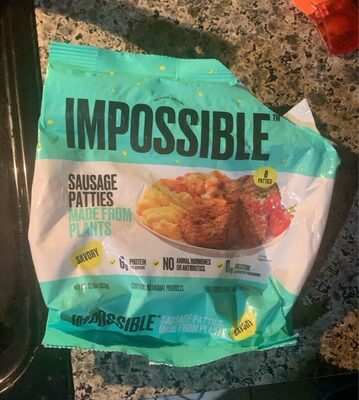
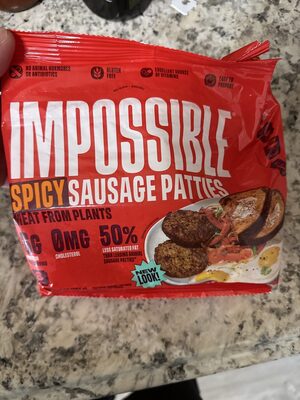
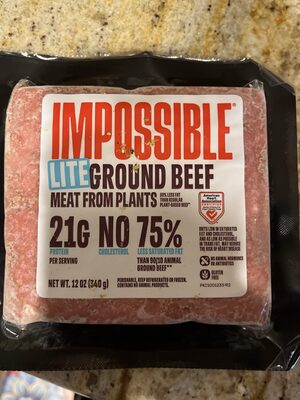
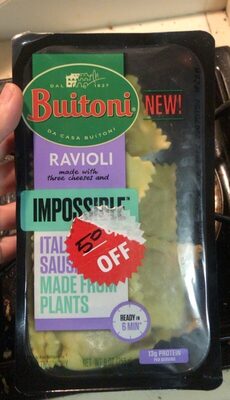
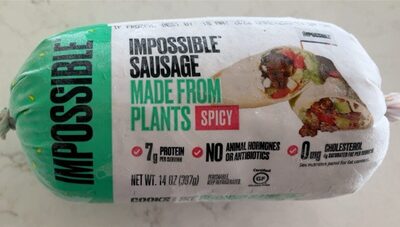
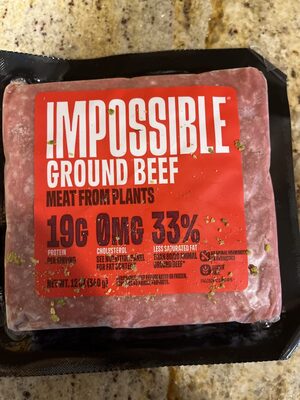
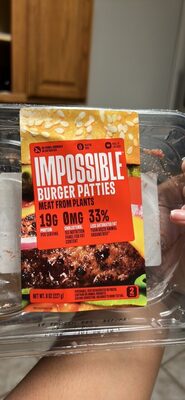
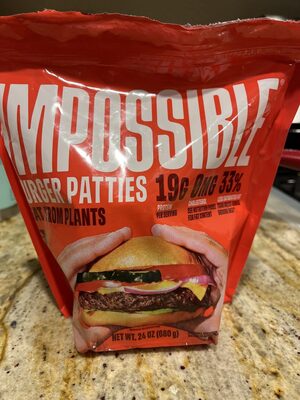
Foods that contain Soy Leghemoglobin
Compare products →







Learn more
Auto-generated content. This description was generated automatically and is pending editorial review. Inaccuracies are possible. Found a mistake? Contact us.