Starch Acetate
What is Starch Acetate?
Starch acetate is a modified food starch. It is made by treating starch, typically from corn, potatoes, or tapioca, with acetic anhydride or vinyl acetate. This process changes the starch's properties, making it more stable and functional in food applications.
Is Starch Acetate vegan?
Starch Acetate is not animal-derived. Products that contain it can still include other animal-derived ingredients, so check the full ingredient list.
Is Starch Acetate gluten-free?
It does not contain gluten.
Is Starch Acetate a major allergen?
Starch acetate is not derived from any of the nine major allergens.
What is Starch Acetate used for?
Manufacturers use starch acetate as a thickener and stabilizer in various food products.
Is Starch Acetate safe?
Starch acetate is generally recognized as safe (GRAS) by the U.S. Food and Drug Administration (FDA).
Why it's used
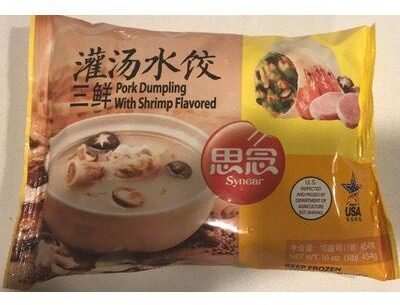
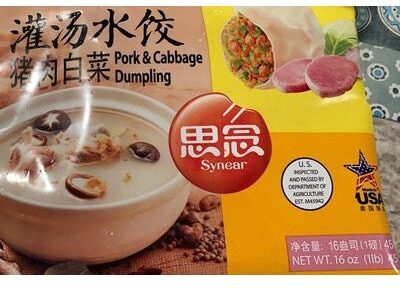
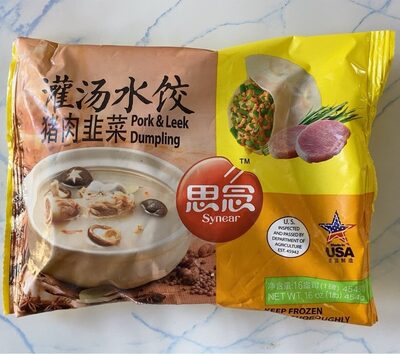
Manufacturers use starch acetate as a thickener and stabilizer in various food products. It helps improve texture, prevent ingredients from separating, and maintain consistency. You can find it in items like frozen appetizers, sushi, and candies.
Health notes
Starch acetate is generally recognized as safe (GRAS) by the U.S. Food and Drug Administration (FDA). Regulatory bodies like the Joint FAO/WHO Expert Committee on Food Additives (JECFA) and the European Food Safety Authority (EFSA) have evaluated modified starches, including starch acetate. At typical consumption levels, it is not associated with adverse health effects.
Allergen info
Starch acetate is not derived from any of the nine major allergens. It does not contain gluten.
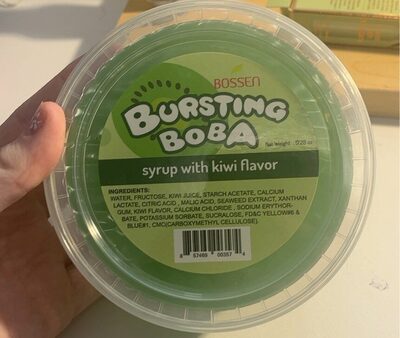
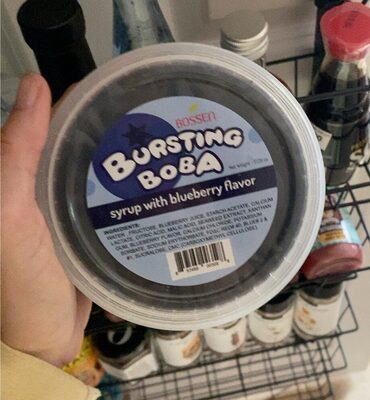
Foods that contain Starch Acetate
Compare products →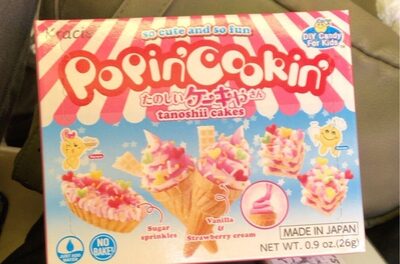
Learn more
Auto-generated content. This description was generated automatically and is pending editorial review. Inaccuracies are possible. Found a mistake? Contact us.