Sushi Rice
What is Sushi Rice?
Sushi rice, also known as Japanese short-grain rice (Oryza sativa japonica), is a type of rice that is sticky when cooked. This stickiness is due to its high amylopectin content. It is typically seasoned with rice vinegar, sugar, and salt before being used to make sushi.
Is Sushi Rice vegan?
Sushi Rice is not animal-derived. Products that contain it can still include other animal-derived ingredients, so check the full ingredient list.
Is Sushi Rice gluten-free?
It does not contain gluten.
Is Sushi Rice a major allergen?
Rice is not one of the nine major allergens recognized by the FDA.
What is Sushi Rice used for?
Sushi rice is the foundation for most sushi dishes, providing a slightly sweet and tangy base for raw fish, vegetables, and other ingredients.
Is Sushi Rice safe?
Sushi rice is a staple food and is generally recognized as safe by the FDA.
Why it's used
Sushi rice is the foundation for most sushi dishes, providing a slightly sweet and tangy base for raw fish, vegetables, and other ingredients. Its sticky texture allows it to hold its shape when formed into rolls or nigiri. It is also used in other Japanese dishes like onigiri (rice balls).
Health notes
Sushi rice is a staple food and is generally recognized as safe by the FDA. It is a source of carbohydrates, providing energy. While it contains some protein and fiber, it is primarily a source of starch. JECFA has evaluated rice and its components, and EFSA has also assessed rice and rice products. No specific health concerns are associated with the consumption of sushi rice at typical dietary levels.
Allergen info
Rice is not one of the nine major allergens recognized by the FDA. It does not contain gluten.
Foods that contain Sushi Rice
Compare products →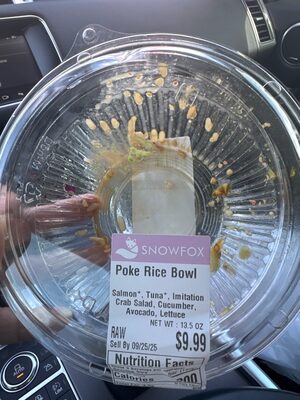
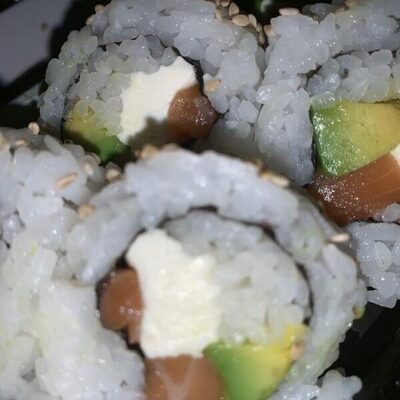
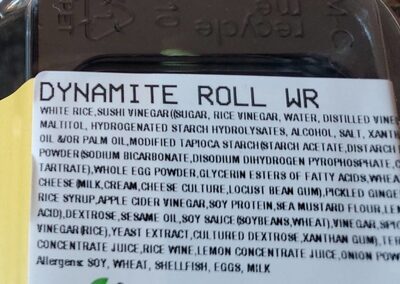

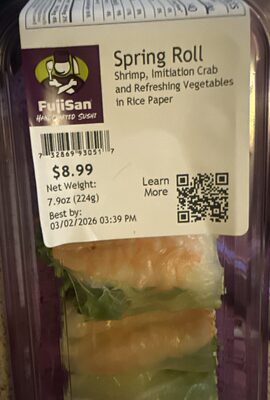
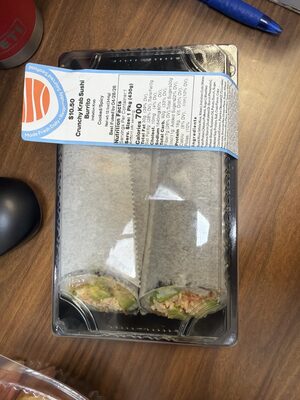
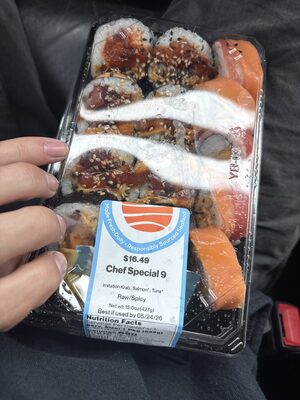
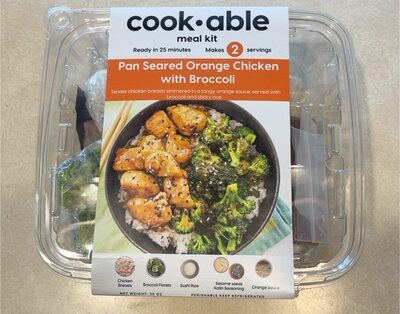
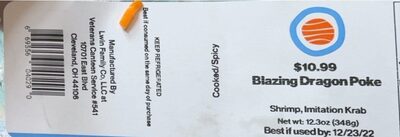
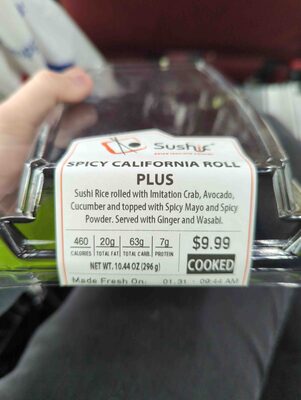
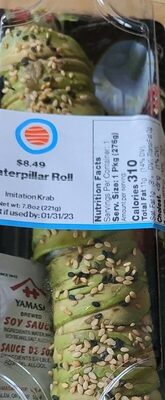
Learn more
Auto-generated content. This description was generated automatically and is pending editorial review. Inaccuracies are possible. Found a mistake? Contact us.