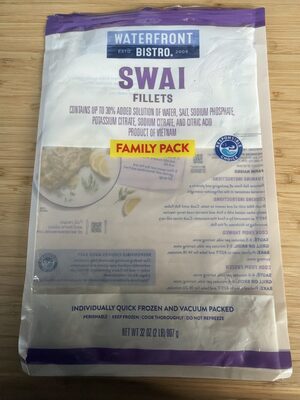
Swai Fillets
What is Swai Fillets?
Swai is a type of catfish, a freshwater fish native to Southeast Asia, primarily the Mekong River delta. It is farmed and then processed into fillets, often for export. The fillets are typically sold frozen and are known for their mild flavor and flaky texture.
Is Swai Fillets vegan?
No. Swai Fillets is animal-derived, so it is not vegan.
Is Swai Fillets a major allergen?
Swai is a type of fish, which is one of the 9 major allergens recognized by the FDA.
What is Swai Fillets used for?
Swai fillets are used as a protein source in a variety of dishes, often as a substitute for other white fish like cod or tilapia.
Is Swai Fillets safe?
Swai is a source of protein and omega-3 fatty acids.
Why it's used
Swai fillets are used as a protein source in a variety of dishes, often as a substitute for other white fish like cod or tilapia. They can be baked, fried, grilled, or pan-seared. Because it is a relatively inexpensive fish, it is commonly found in frozen seafood sections and in restaurant menus.
Health notes
Swai is a source of protein and omega-3 fatty acids. The FDA regulates fish as a food product. Like other fish, swai may contain trace amounts of mercury, and the FDA and EPA advise certain groups, such as pregnant women and young children, to limit consumption of some types of fish. JECFA has evaluated fish and shellfish and established general standards for quality and safety.
Allergen info
Swai is a type of fish, which is one of the 9 major allergens recognized by the FDA. People with fish allergies should avoid swai.
Foods that contain Swai Fillets
Compare products →
Learn more
Auto-generated content. This description was generated automatically and is pending editorial review. Inaccuracies are possible. Found a mistake? Contact us.