The Following: Coconut
Auto-generated content. This description was generated automatically and is pending editorial review. Inaccuracies are possible. Found a mistake? Contact us.
What it is
Coconut is the fruit of the coconut palm tree. It has a hard, brown, hairy shell enclosing a white edible flesh and a clear liquid, or water. The flesh can be dried and processed into various forms, such as shredded, flaked, or desiccated.
Why it's used
Coconut is used in a wide variety of foods for its distinct flavor and texture. It is often added to baked goods like cakes, cookies, and pastries, as well as candies and desserts. Coconut milk and cream, derived from the flesh, are also used as ingredients in savory dishes and beverages.
Health notes
Coconut oil, a major component of coconut flesh, is high in saturated fat. The US FDA considers coconut GRAS (Generally Recognized As Safe) for use in food. While some studies suggest potential benefits of medium-chain triglycerides (MCTs) found in coconut oil, other research indicates that high intake of saturated fat can raise LDL cholesterol levels. Regulatory bodies like EFSA have evaluated saturated fats, but no specific numeric limits are provided here. Evidence on the health effects of coconut consumption at typical dietary levels is mixed and ongoing.
Allergen info
Coconut is not considered one of the nine major allergens by the FDA. It is botanically classified as a drupe, not a tree nut, though some individuals with tree nut allergies may react to coconut.
Products containing The Following: Coconut
Compare products →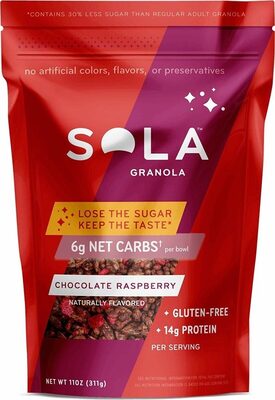 NatGood Operation LLC
Chocolate Raspberry Flavored Granola, Chocolate Raspberry
233kcal
13.3Protein
16.7Fat
16.7Carbs
NatGood Operation LLC
Chocolate Raspberry Flavored Granola, Chocolate Raspberry
233kcal
13.3Protein
16.7Fat
16.7Carbs