The Following: Sodium Phosphates
Auto-generated content. This description was generated automatically and is pending editorial review. Inaccuracies are possible. Found a mistake? Contact us.
What it is
Sodium phosphates are a group of salts that include sodium orthophosphates, sodium pyrophosphates, and sodium tripolyphosphates. They are produced commercially from phosphoric acid, which is derived from phosphate rock. These compounds are water-soluble and can be used in various forms.
Why it's used
Manufacturers use sodium phosphates to improve moisture retention, emulsification, and texture in processed foods. They act as acidity regulators, stabilizers, and leavening agents. You can find them in meats, poultry, seafood, baked goods, and dairy products.
Health notes
In the U.S., sodium phosphates are generally recognized as safe (GRAS) by the FDA when used for their intended purposes. High intake of phosphates, particularly from processed foods, has been linked to potential health concerns in some studies, especially for individuals with kidney issues. However, evidence is mixed, and typical dietary intake from food sources is generally considered safe for most people. JECFA and EFSA have evaluated various sodium phosphates and established acceptable intake levels.
Allergen info
Sodium phosphates are not derived from any of the nine FDA major allergens and do not contain gluten.
Products containing The Following: Sodium Phosphates
Compare products →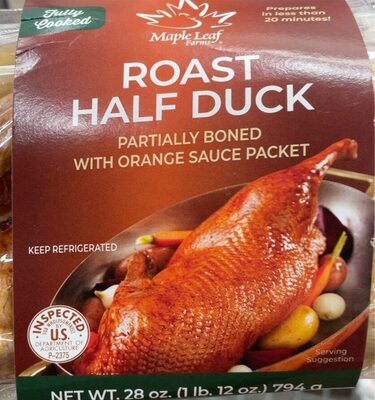 Maple Leaf Farms, Inc.
Roast Half Duck, Roast
High in sodium — 34% DV per serving
High in saturated fat — 30% DV per serving
High in cholesterol — 60% DV per serving
246kcal
19.7Protein
15.5Fat
8.4Carbs
Maple Leaf Farms, Inc.
Roast Half Duck, Roast
High in sodium — 34% DV per serving
High in saturated fat — 30% DV per serving
High in cholesterol — 60% DV per serving
246kcal
19.7Protein
15.5Fat
8.4Carbs
 Maple Leaf Farms, Inc.
Fully Cooked Roast Half Duck
High in sodium — 28% DV per serving
High in saturated fat — 25% DV per serving
High in cholesterol — 42% DV per serving
214kcal
16.4Protein
13.6Fat
6.4Carbs
Maple Leaf Farms, Inc.
Fully Cooked Roast Half Duck
High in sodium — 28% DV per serving
High in saturated fat — 25% DV per serving
High in cholesterol — 42% DV per serving
214kcal
16.4Protein
13.6Fat
6.4Carbs
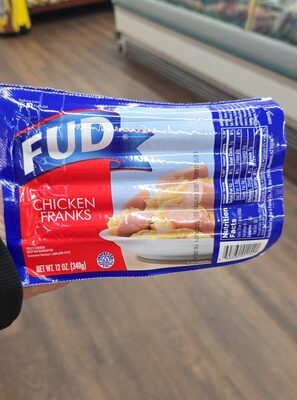 Bar-S Foods Co.
Chicken Franks
High in sodium — 22% DV per serving
233kcal
11.6Protein
18.6Fat
2.3Carbs
Bar-S Foods Co.
Chicken Franks
High in sodium — 22% DV per serving
233kcal
11.6Protein
18.6Fat
2.3Carbs
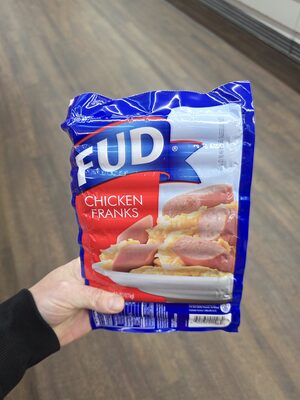 Bar-S Foods Co.
Chicken Franks
High in sodium — 28% DV per serving
232kcal
10.7Protein
17.9Fat
1.8Carbs
Bar-S Foods Co.
Chicken Franks
High in sodium — 28% DV per serving
232kcal
10.7Protein
17.9Fat
1.8Carbs
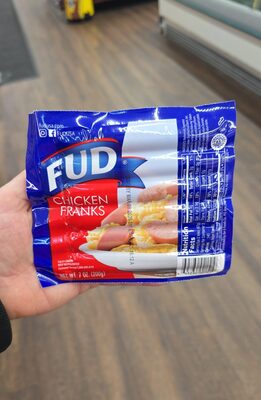 Bar-S Foods Co.
Chicken Franks
High in sodium — 33% DV per serving
High in cholesterol — 20% DV per serving
239kcal
11.9Protein
17.9Fat
3.0Carbs
Bar-S Foods Co.
Chicken Franks
High in sodium — 33% DV per serving
High in cholesterol — 20% DV per serving
239kcal
11.9Protein
17.9Fat
3.0Carbs