To Retard Spoilage
What is To Retard Spoilage?
Calcium propionate is a salt of propionic acid. It occurs naturally in some foods but is typically produced industrially by reacting propionic acid with calcium hydroxide. It appears as a white powder or crystals.
Is To Retard Spoilage vegan?
To Retard Spoilage is not animal-derived. Products that contain it can still include other animal-derived ingredients, so check the full ingredient list.
Is To Retard Spoilage gluten-free?
It does not contain gluten.
Is To Retard Spoilage a major allergen?
Calcium propionate is not derived from any of the 9 FDA major allergens.
What is To Retard Spoilage used for?
Manufacturers add calcium propionate to baked goods to slow the growth of mold and bacteria, extending shelf life.
Is To Retard Spoilage safe?
Calcium propionate is generally recognized as safe (GRAS) by the FDA for use as a food preservative.
Why it's used
Manufacturers add calcium propionate to baked goods to slow the growth of mold and bacteria, extending shelf life. It is commonly found in breads, cakes, cookies, and other bakery items.
Health notes
Calcium propionate is generally recognized as safe (GRAS) by the FDA for use as a food preservative. Studies on its effects at typical consumption levels have not shown adverse health outcomes. JECFA and EFSA have evaluated calcium propionate and established acceptable daily intakes. Some research has explored potential links to behavioral issues in children, but the evidence is mixed and not conclusive.
Allergen info
Calcium propionate is not derived from any of the 9 FDA major allergens. It does not contain gluten.
Foods that contain To Retard Spoilage
Compare products →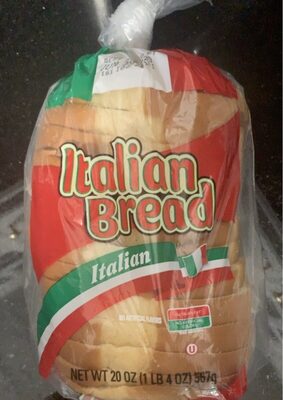 ITALIAN
Italian Bread
250kcal
6.2Protein
4.7Fat
50Carbs
ITALIAN
Italian Bread
250kcal
6.2Protein
4.7Fat
50Carbs
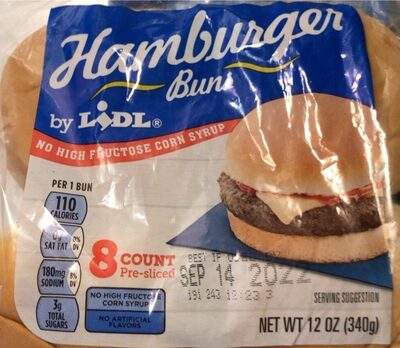 LIDL
Hamburger Buns
279kcal
9.3Protein
3.5Fat
55.8Carbs
LIDL
Hamburger Buns
279kcal
9.3Protein
3.5Fat
55.8Carbs
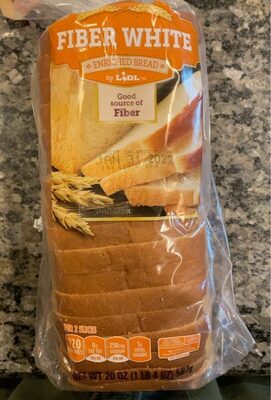 LIDL
Fiber White Enriched Bread
212kcal
11.5Protein
2.9Fat
44.2Carbs
LIDL
Fiber White Enriched Bread
212kcal
11.5Protein
2.9Fat
44.2Carbs
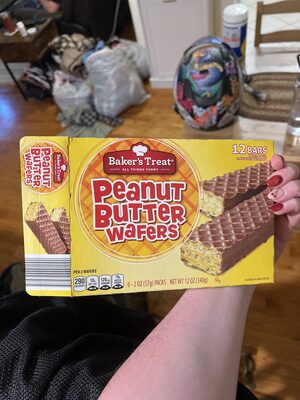 BAKER'S TREAT
Peanut Butter Wafers, Peanut Butter
High in saturated fat — 45% DV per serving
High in added sugars — 40% DV per serving
526kcal
8.8Protein
29.8Fat
57.9Carbs
BAKER'S TREAT
Peanut Butter Wafers, Peanut Butter
High in saturated fat — 45% DV per serving
High in added sugars — 40% DV per serving
526kcal
8.8Protein
29.8Fat
57.9Carbs
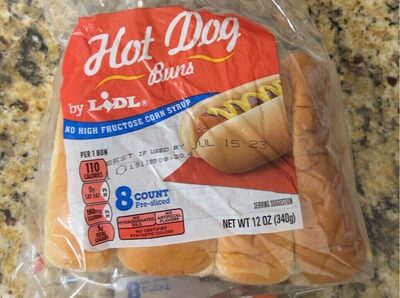 LIDL
Hot Dog Buns
279kcal
9.3Protein
3.5Fat
55.8Carbs
LIDL
Hot Dog Buns
279kcal
9.3Protein
3.5Fat
55.8Carbs
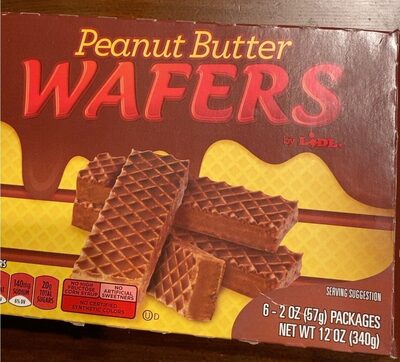 LIDL
Peanut Butter Wafers, Peanut Butter
High in saturated fat — 45% DV per serving
High in added sugars — 40% DV per serving
526kcal
8.8Protein
29.8Fat
57.9Carbs
LIDL
Peanut Butter Wafers, Peanut Butter
High in saturated fat — 45% DV per serving
High in added sugars — 40% DV per serving
526kcal
8.8Protein
29.8Fat
57.9Carbs
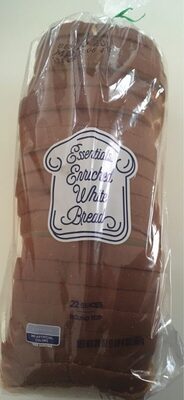 LIDL
Essentials Enriched White Bread, White
269kcal
7.7Protein
3.9Fat
53.9Carbs
LIDL
Essentials Enriched White Bread, White
269kcal
7.7Protein
3.9Fat
53.9Carbs
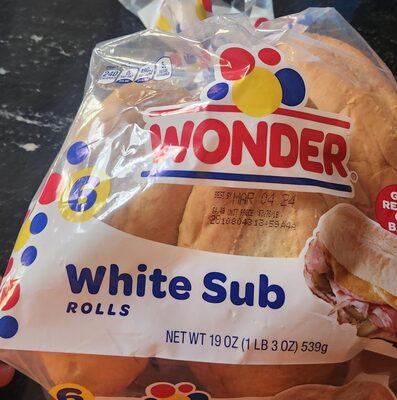 Flowers Foods, Inc.
White Sub Rolls, White Sub
High in sodium — 20% DV per serving
267kcal
10Protein
2.2Fat
50Carbs
Flowers Foods, Inc.
White Sub Rolls, White Sub
High in sodium — 20% DV per serving
267kcal
10Protein
2.2Fat
50Carbs
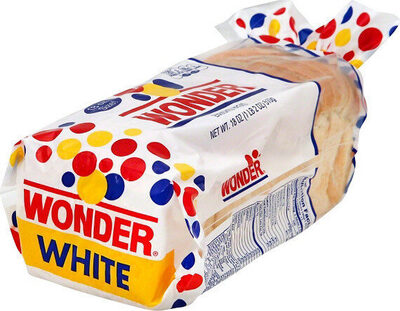 Flowers Foods, Inc.
White Bread
261kcal
8.7Protein
3.3Fat
52.2Carbs
Flowers Foods, Inc.
White Bread
261kcal
8.7Protein
3.3Fat
52.2Carbs
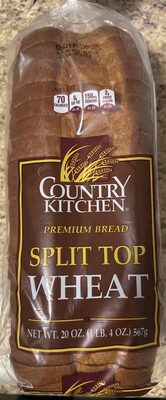 Lepage Bakeries, Inc.
Wheat Split Top Premium Bread, Wheat
286kcal
7.1Protein
3.6Fat
53.6Carbs
Lepage Bakeries, Inc.
Wheat Split Top Premium Bread, Wheat
286kcal
7.1Protein
3.6Fat
53.6Carbs
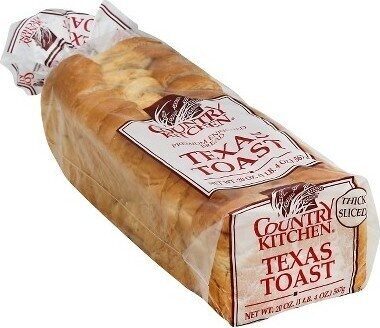 Lepage Bakeries, Inc.
Premium Enriched Bread, Texas Toast
275kcal
10Protein
2.5Fat
55Carbs
Lepage Bakeries, Inc.
Premium Enriched Bread, Texas Toast
275kcal
10Protein
2.5Fat
55Carbs
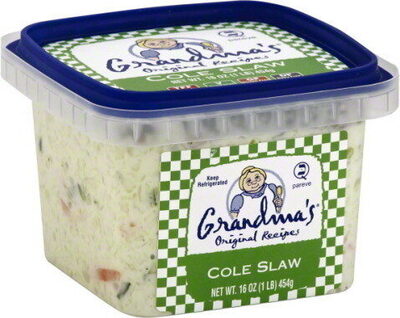 Jaybee Mfg Corp
Original Recipes Cole Slaw
210kcal
1Protein
14Fat
19Carbs
Jaybee Mfg Corp
Original Recipes Cole Slaw
210kcal
1Protein
14Fat
19Carbs
Learn more
Auto-generated content. This description was generated automatically and is pending editorial review. Inaccuracies are possible. Found a mistake? Contact us.