Topping Salt
What is Topping Salt?
Topping salt is a coarse-grained salt, typically sodium chloride, used to add flavor and texture to the surface of foods. It is usually produced by evaporating salt brine, often from underground salt deposits or seawater. The larger crystal size provides a distinct crunch and visual appeal.
Is Topping Salt vegan?
Topping Salt is not animal-derived. Products that contain it can still include other animal-derived ingredients, so check the full ingredient list.
Is Topping Salt gluten-free?
It does not contain gluten.
Is Topping Salt a major allergen?
Topping salt is not derived from any of the nine FDA major allergens.
What is Topping Salt used for?
Manufacturers add topping salt to enhance the taste and provide a textural contrast to baked goods and snacks.
Is Topping Salt safe?
Topping salt is generally recognized as safe (GRAS) by the FDA for use in food.
Why it's used
Manufacturers add topping salt to enhance the taste and provide a textural contrast to baked goods and snacks. Its coarse grains adhere well to the surface of products like crackers, pretzels, and bread, adding a burst of salty flavor with each bite.
Health notes
Topping salt is generally recognized as safe (GRAS) by the FDA for use in food. It is primarily sodium chloride, and like all sodium, excessive intake can contribute to high blood pressure in some individuals. The WHO recommends limiting sodium intake. JECFA and EFSA have evaluated sodium chloride.
Allergen info
Topping salt is not derived from any of the nine FDA major allergens. It does not contain gluten.
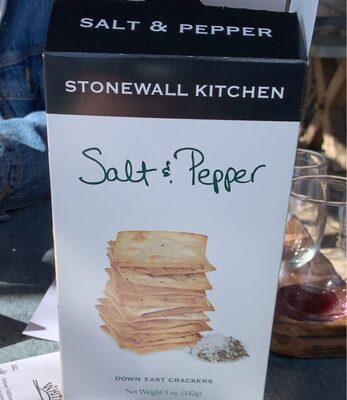
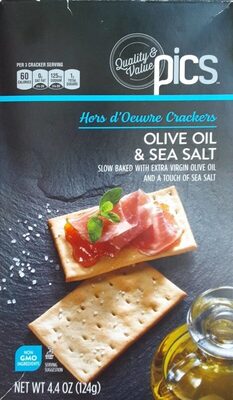
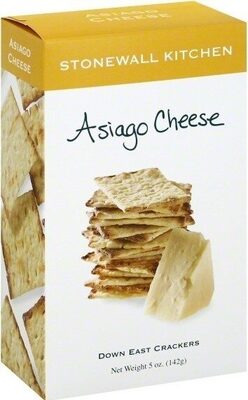
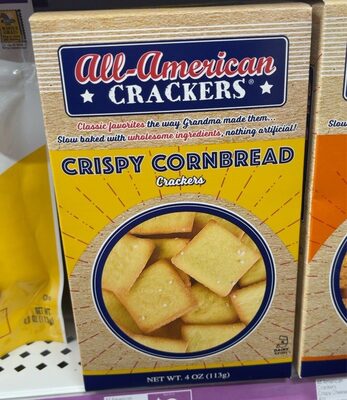
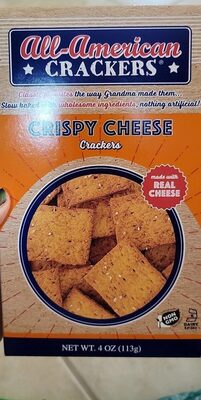
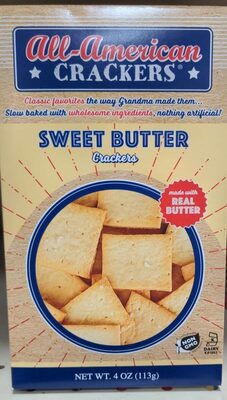
Foods that contain Topping Salt
Compare products →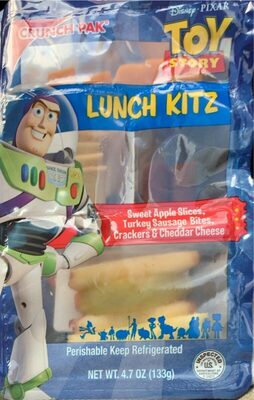
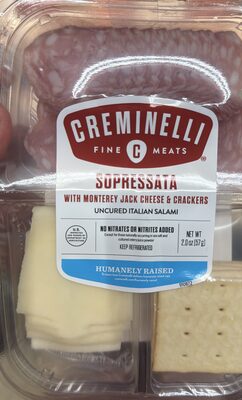
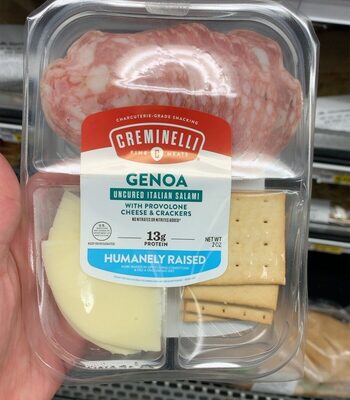
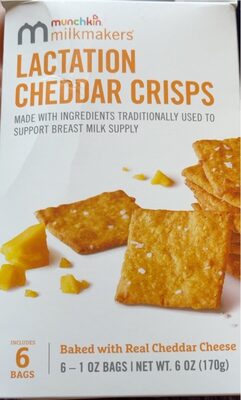
Auto-generated content. This description was generated automatically and is pending editorial review. Inaccuracies are possible. Found a mistake? Contact us.