Tortilla Strips
What is Tortilla Strips?
Tortilla strips are small, fried or baked pieces of corn tortillas. They are typically made from corn masa, water, and a small amount of lime (calcium hydroxide), which is a traditional ingredient in corn processing. The masa is formed into tortillas, cut into strips, and then fried or baked until crispy.
Is Tortilla Strips vegan?
Tortilla Strips is not animal-derived. Products that contain it can still include other animal-derived ingredients, so check the full ingredient list.
Is Tortilla Strips gluten-free?
Corn is not a major allergen, and gluten is not typically present unless cross-contamination occurs during processing.
Is Tortilla Strips a major allergen?
Tortilla strips are not derived from any of the nine FDA major allergens.
What is Tortilla Strips used for?
Tortilla strips are primarily used as a crunchy topping or ingredient in various dishes.
Is Tortilla Strips safe?
Tortilla strips are generally recognized as safe (GRAS) by the FDA when used as a food ingredient.
Why it's used
Tortilla strips are primarily used as a crunchy topping or ingredient in various dishes. They add texture and a savory corn flavor to salads, soups, chilis, and dips. Manufacturers use them to enhance the visual appeal and mouthfeel of packaged meals and snack mixes.
Health notes
Tortilla strips are generally recognized as safe (GRAS) by the FDA when used as a food ingredient. They are a source of carbohydrates and can contribute to dietary fiber intake depending on the preparation. JECFA has evaluated corn masa and its processing aids, but did not set a numeric limit for tortilla strips themselves. No significant health controversies are associated with their typical consumption.
Allergen info
Tortilla strips are not derived from any of the nine FDA major allergens. Corn is not a major allergen, and gluten is not typically present unless cross-contamination occurs during processing.
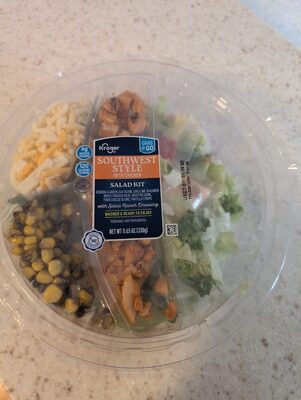
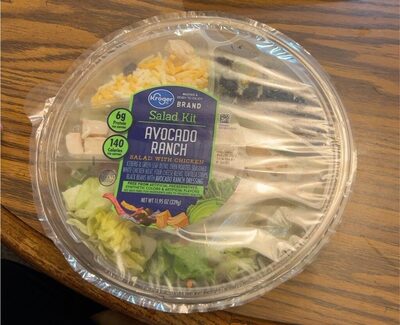
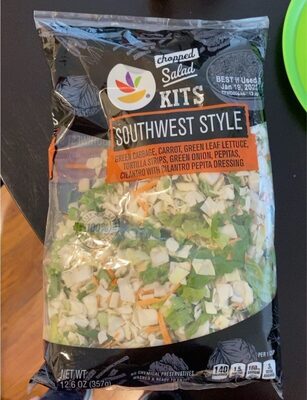
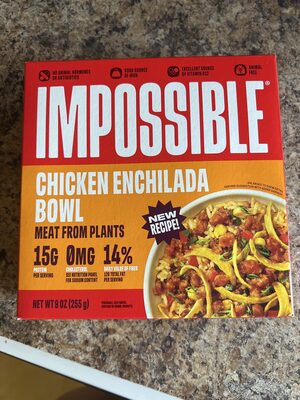
Foods that contain Tortilla Strips
Compare products →
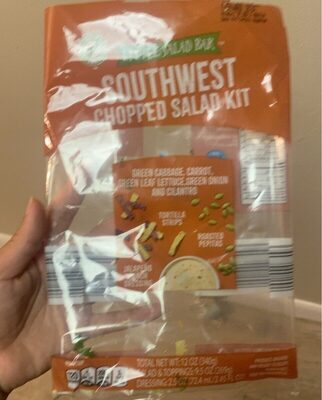
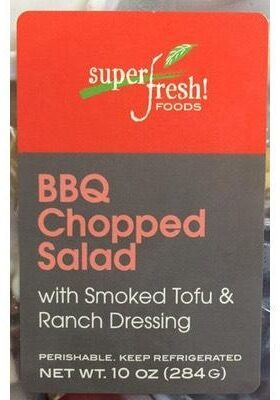
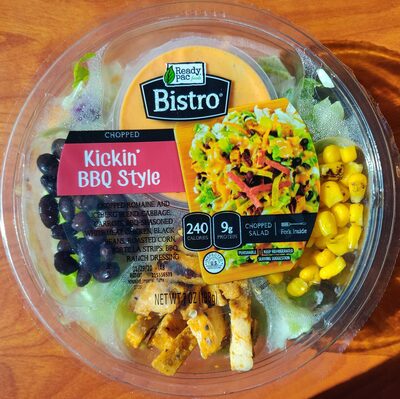
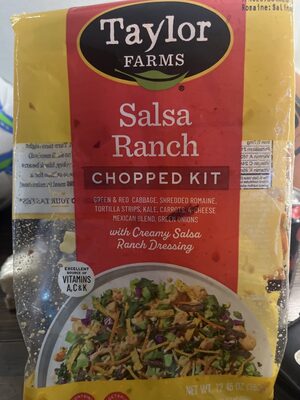
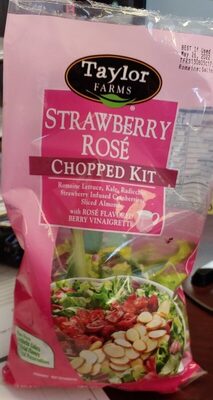
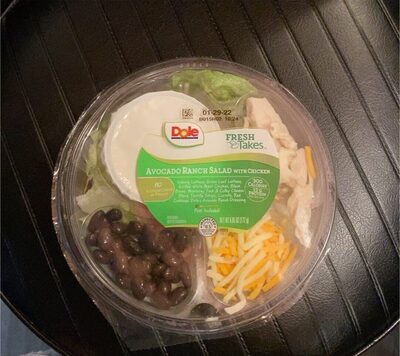

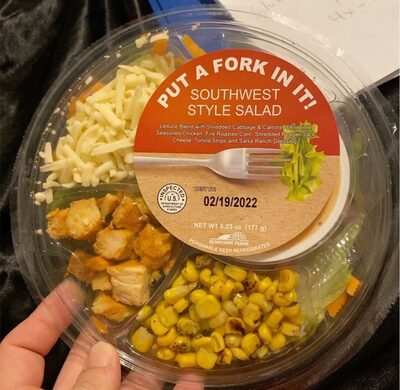
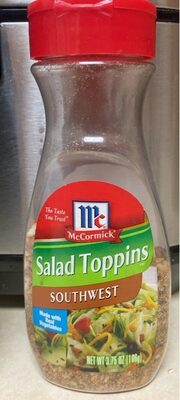
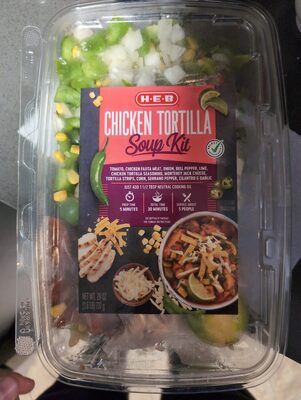
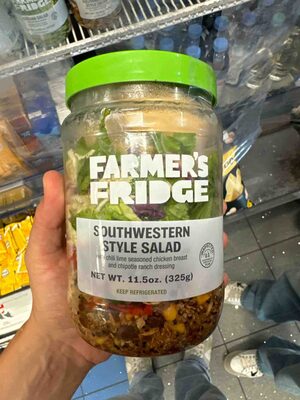
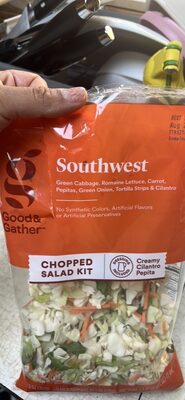
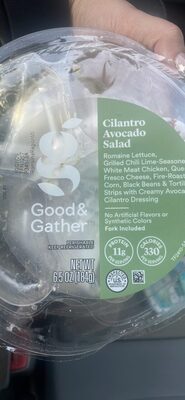
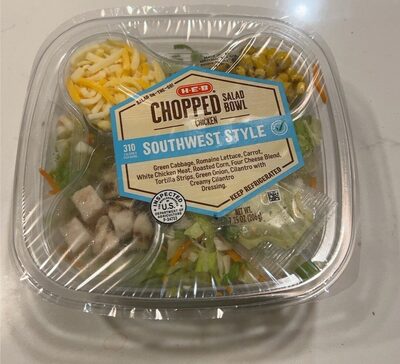
Learn more
Auto-generated content. This description was generated automatically and is pending editorial review. Inaccuracies are possible. Found a mistake? Contact us.