Tuna Fish
Auto-generated content. This description was generated automatically and is pending editorial review. Inaccuracies are possible. Found a mistake? Contact us.
What it is
Tuna is a saltwater fish found in oceans worldwide. It is a popular source of protein, often canned or sold as fresh fillets. Canned tuna is typically cooked, and the flesh is then packed in water, oil, or brine.
Why it's used
Tuna is primarily used as a protein source in foods like salads, sandwiches, and casseroles. Its distinct flavor also makes it a key ingredient in dishes such as tuna salad and tuna melts. Manufacturers use it for its nutritional value and savory taste.
Health notes
Tuna is a good source of protein and omega-3 fatty acids. However, some types of tuna can contain higher levels of mercury, a heavy metal. The FDA advises certain groups, like pregnant women and young children, to limit their intake of fish with higher mercury levels. JECFA has evaluated tuna and found no safety concerns at typical consumption levels.
Allergen info
Tuna is a fish, which is one of the 9 major food allergens recognized by the FDA. Individuals with a fish allergy should avoid tuna.
Products containing Tuna Fish
Compare products →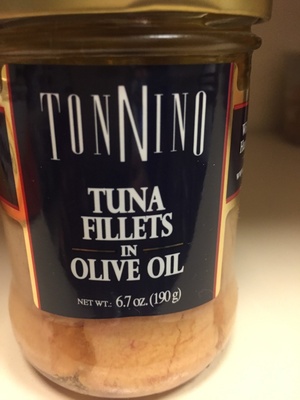 Adams Wholesale Supply, Inc.
Tuna Fillets In Olive Oil
161kcal
28.6Protein
4.5Fat
0Carbs
Adams Wholesale Supply, Inc.
Tonnino, Tuna Fillets With Jalapeno In Olive Oil
143kcal
23.2Protein
5.4Fat
1.8Carbs
Tuv-Taam Corp.
Tuna Deluxe Salad
382kcal
9.1Protein
38.2Fat
3.6Carbs
Adams Wholesale Supply, Inc.
Tuna Fillets
179kcal
25Protein
6.2Fat
0Carbs
Giant Eagle, Inc.
Tuna Salad
High in sodium — 22% DV per serving
High in cholesterol — 23% DV per serving
270kcal
11Protein
22Fat
9Carbs
Narbest Food Products Inc.
Tuna Salad
High in sodium — 26% DV per serving
270kcal
12Protein
21Fat
7Carbs
The Federated Group, Inc.
Chunk Light Tuna Packed In Water
107kcal
23.2Protein
0.9Fat
0Carbs
Adams Wholesale Supply, Inc.
Tuna Fillets In Olive Oil
161kcal
28.6Protein
4.5Fat
0Carbs
Adams Wholesale Supply, Inc.
Tonnino, Tuna Fillets With Jalapeno In Olive Oil
143kcal
23.2Protein
5.4Fat
1.8Carbs
Tuv-Taam Corp.
Tuna Deluxe Salad
382kcal
9.1Protein
38.2Fat
3.6Carbs
Adams Wholesale Supply, Inc.
Tuna Fillets
179kcal
25Protein
6.2Fat
0Carbs
Giant Eagle, Inc.
Tuna Salad
High in sodium — 22% DV per serving
High in cholesterol — 23% DV per serving
270kcal
11Protein
22Fat
9Carbs
Narbest Food Products Inc.
Tuna Salad
High in sodium — 26% DV per serving
270kcal
12Protein
21Fat
7Carbs
The Federated Group, Inc.
Chunk Light Tuna Packed In Water
107kcal
23.2Protein
0.9Fat
0Carbs