Turkey Dark Meat
What is Turkey Dark Meat?
Turkey dark meat is the muscle tissue from the legs and thighs of a turkey. This meat is naturally darker than breast meat due to a higher concentration of myoglobin, a protein that stores oxygen. It is typically sold fresh, frozen, or processed into other food products.
Is Turkey Dark Meat vegan?
No. Turkey Dark Meat is animal-derived, so it is not vegan.
Is Turkey Dark Meat gluten-free?
It does not contain gluten.
Is Turkey Dark Meat a major allergen?
Turkey dark meat is not derived from any of the 9 FDA major allergens.
What is Turkey Dark Meat used for?
Manufacturers use turkey dark meat as a protein source in a variety of savory dishes.
Is Turkey Dark Meat safe?
Turkey dark meat is a source of protein, iron, and zinc.
Why it's used
Manufacturers use turkey dark meat as a protein source in a variety of savory dishes. Its rich flavor and moist texture make it suitable for products like sausages, deli meats, chili, stews, and pasta dishes.
Health notes
Turkey dark meat is a source of protein, iron, and zinc. The U.S. Food and Drug Administration (FDA) considers turkey dark meat to be Generally Recognized As Safe (GRAS) when used as a food ingredient. Regulatory bodies like the Joint FAO/WHO Expert Committee on Food Additives (JECFA) and the European Food Safety Authority (EFSA) have evaluated turkey meat as part of broader assessments of meat products. Like other animal products, it contains saturated fat and cholesterol, and consumption should be balanced within a healthy diet.
Allergen info
Turkey dark meat is not derived from any of the 9 FDA major allergens. It does not contain gluten.
Foods that contain Turkey Dark Meat
Compare products →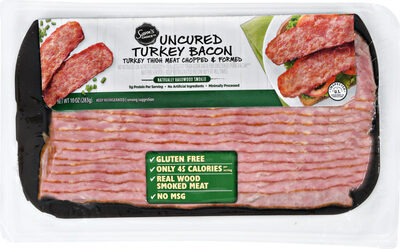
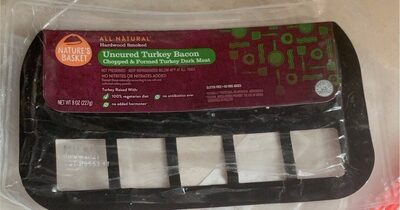

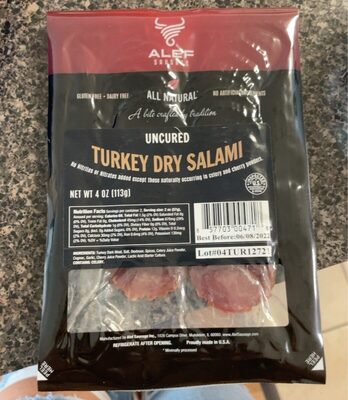
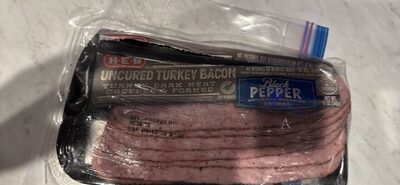
Learn more
Auto-generated content. This description was generated automatically and is pending editorial review. Inaccuracies are possible. Found a mistake? Contact us.